
A used car can look spotless in a driveway, have a tidy service book and still be carrying problems that only show up once the money has changed hands. A pre purchase inspection gives you an independent view of the vehicle before you commit, so you can buy with clearer information rather than relying on a seller’s description.
For drivers around Noosa, Noosaville and the Sunshine Coast, this is particularly worthwhile when a vehicle has travelled long distances, towed regularly, spent time on sandy tracks, or is being bought privately without a dealer warranty. The aim is simple: identify safety concerns, likely repair costs and signs that the vehicle may not be what it appears to be.
What a Pre Purchase Inspection Can Tell You
A proper inspection is more than a quick look under the bonnet. It is a practical assessment of the vehicle’s visible condition, mechanical operation and available diagnostic information at the time of inspection. It helps separate normal wear and tear from faults that could turn an affordable car into an expensive problem.
The inspection typically considers the major areas that affect safety, reliability and value. That includes the engine, transmission, brakes, suspension, steering, tyres, cooling system, battery, driveline and exhaust. A technician will also look for fluid leaks, signs of poor-quality repairs, corrosion, accident damage and uneven tyre wear that may point to alignment, suspension or chassis issues.
Modern vehicles need more than a visual check. Diagnostic scanning can reveal stored fault codes and electronic issues involving engine management, safety systems and other vehicle modules. A warning light that has been cleared shortly before sale may not stay hidden for long, which is why the vehicle’s diagnostic history can be valuable.
A road test, where practical and authorised, adds another layer of information. Brake feel, steering response, vibrations, transmission changes, engine performance and unusual noises are often easier to assess when the car is being driven rather than sitting still.
No inspection can predict every future failure or dismantle the entire vehicle. Some issues are intermittent, concealed or only become apparent over time. But an experienced inspection can uncover the faults and warning signs that a buyer is unlikely to spot during a short test drive.
Why a Roadworthy Certificate Is Not Enough
In Queensland, a safety certificate checks whether a vehicle meets minimum safety standards at the time it is inspected. It is important for registration transfers and selling requirements, but it is not the same as a pre purchase inspection.
A safety certificate is not designed to tell you whether the air-conditioning is weak, whether the transmission is operating correctly, whether the engine has developing internal issues, or whether a suspension component will soon require replacement. It also does not provide the detailed condition report a buyer needs to judge the likely cost of ownership.
Think of it this way: a vehicle can be legally safe enough to sell and still need significant maintenance shortly afterwards. If you are spending thousands of dollars on a family SUV, work ute, first car or touring 4WD, the broader mechanical picture matters.
When an Inspection Is Most Worthwhile
Almost any used vehicle can benefit from an independent assessment, but the risk is higher in a few common situations. Private sales are an obvious example, as the buyer generally has less protection than when purchasing through a reputable dealer. Vehicles with incomplete service records, recent imports, modified 4WDs and cars that have been sitting unused also deserve careful attention.
Older vehicles are not automatically bad buys. A well-maintained older car can be a smarter purchase than a newer vehicle that has missed servicing or been poorly repaired. The inspection helps you compare condition rather than making decisions based on age, kilometres or appearance alone.
It is also wise to arrange an inspection when a vehicle seems unusually cheap. A bargain can be genuine, particularly when someone needs a quick sale, but it can also reflect imminent repairs that have not been factored into the asking price. The same applies to a vehicle advertised as having ‘no issues’ without supporting paperwork or a clear maintenance history.
For commercial vans and work utes, downtime is part of the cost equation. A fault that puts a vehicle off the road can interrupt jobs, staff schedules and customer commitments. Finding a worn clutch, brake issue or cooling-system problem before purchase may save far more than the inspection fee.
What to Do Before Booking the Vehicle In
Speak with the seller before arranging a pre purchase inspection and make it clear that the sale depends on a satisfactory result. Most genuine sellers will understand. If someone refuses to allow an independent inspection, rushes you to transfer a deposit, or will only meet after dark in a car park, treat that as useful information.
Ask for the registration number, vehicle identification number, current odometer reading and any service records before the appointment. Bring along any advertisement details or claims the seller has made, especially if the vehicle is described as recently serviced, accident-free, regularly maintained or fitted with accessories. These details can help focus the assessment.
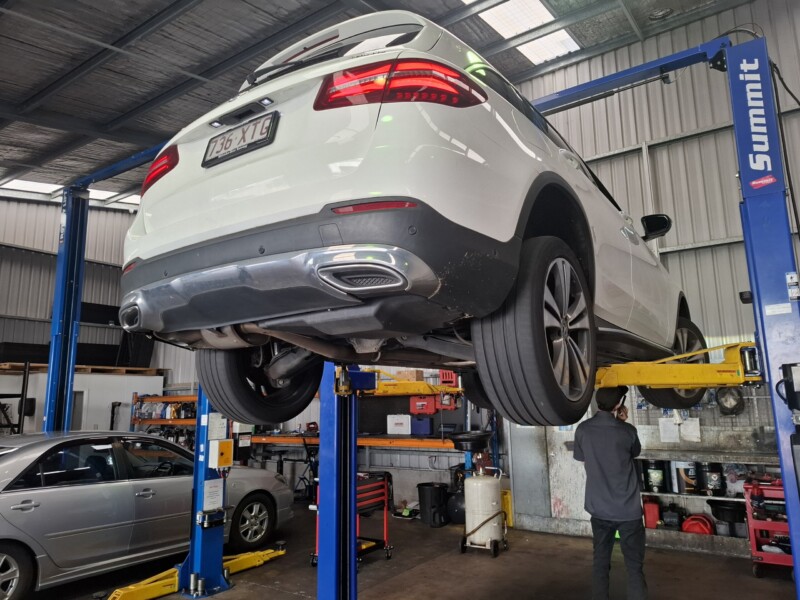
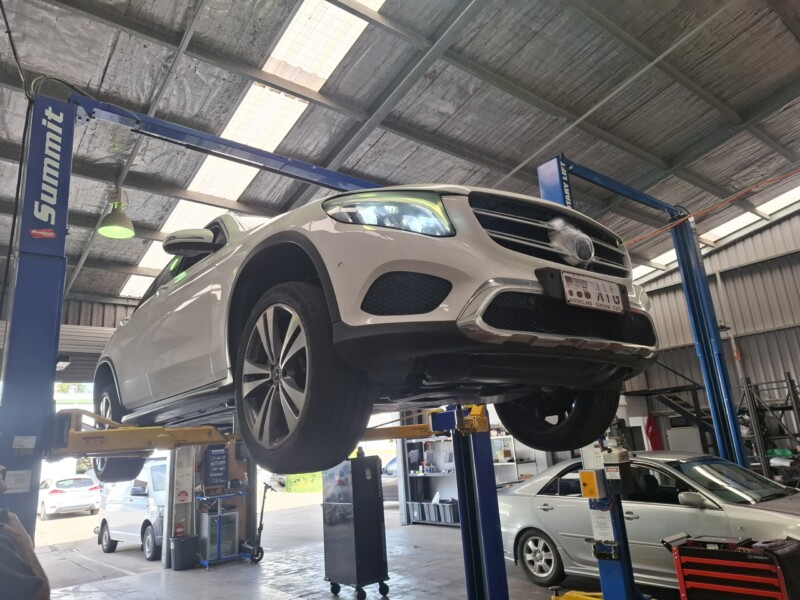
Where possible, arrange for the vehicle to be inspected at a workshop with the right equipment rather than relying on a driveway check. A hoist allows the underside to be assessed properly, including leaks, damage, suspension condition and underbody concerns that are difficult to see from ground level.
If the vehicle is a 4WD, let the workshop know. Modified suspension, towing equipment, aftermarket accessories and off-road use all affect what needs closer attention. Likewise, mention if you are purchasing a hybrid, diesel, European vehicle or a commercial van, as each can have its own common condition points.
How to Use the Findings Without Losing a Good Car
An inspection report should not be treated as an automatic pass or fail. Used vehicles nearly always have some wear, and the question is whether the issues are reasonable for the vehicle’s age, price and intended use.
Minor items such as worn wiper blades, a weak battery, ageing tyres or an upcoming service may be manageable if the price reflects them. More serious concerns – structural damage, major oil leaks, cooling problems, transmission faults, brake defects or evidence of poor crash repairs – should change the conversation substantially.
A clear report gives you options. You might negotiate a lower price, ask the seller to complete agreed repairs, budget for known maintenance or walk away altogether. Walking away can feel frustrating after you have found a car you like, but it is often the cheapest decision when the condition does not match the asking price.
Be realistic about the vehicle’s purpose as well. A retiree looking for a dependable runabout, a family planning school runs and weekend trips, and a tradie relying on a ute every day will have different tolerances for repair risk. The right vehicle is not always the one with the fewest notes on a report. It is the one whose condition, price and expected maintenance suit your needs.
Choose an Independent Assessment
A seller may genuinely believe their car is in excellent condition, but they are not the person you should rely on to assess it. An independent workshop has no reason to talk you into a purchase. Its job is to give you a straightforward picture of what is visible, what needs attention and what the likely implications are.
At AutoSavvy Mechanical, the team treats every vehicle like it’s our own. That means explaining findings in plain language, separating urgent safety concerns from routine maintenance, and helping you understand what you are buying before it becomes your responsibility.
A pre purchase inspection is a small step before a large financial decision. Arrange it before paying the balance, take the report seriously, and give yourself the confidence to either negotiate fairly or keep looking for the vehicle that will get you back on the road without unwanted surprises.
by Jeremy Bycroft
Share
Share
Leave A Comment
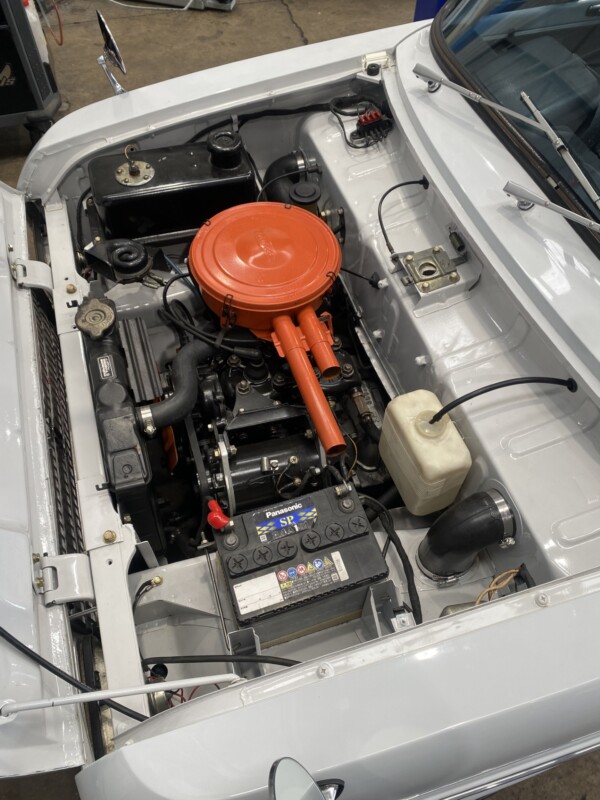
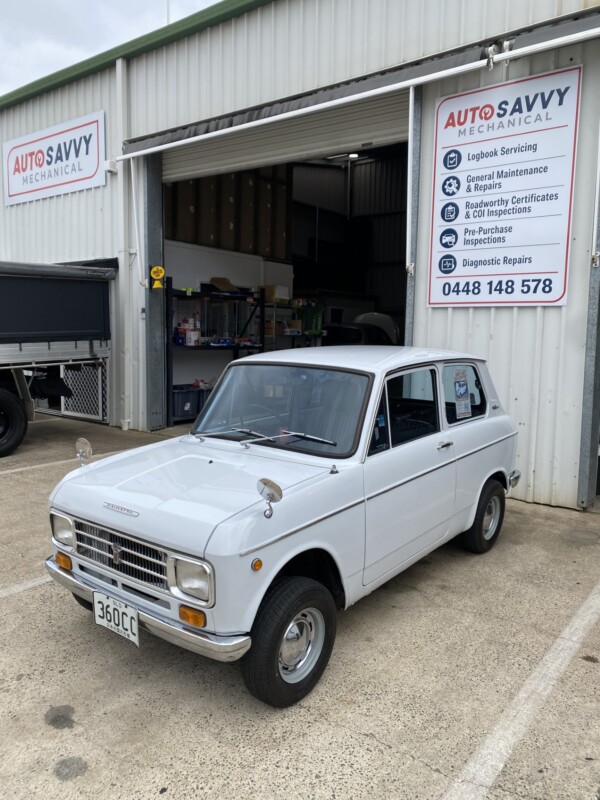
Take a step back in time with this rare 1960s Daihatsu Fellow. With its tiny 356cc two-stroke engine, four-speed manual gearbox and rear-wheel-drive layout, this remarkable little car is a wonderful example of simple engineering, careful ownership and the longevity of a well-maintained classic.
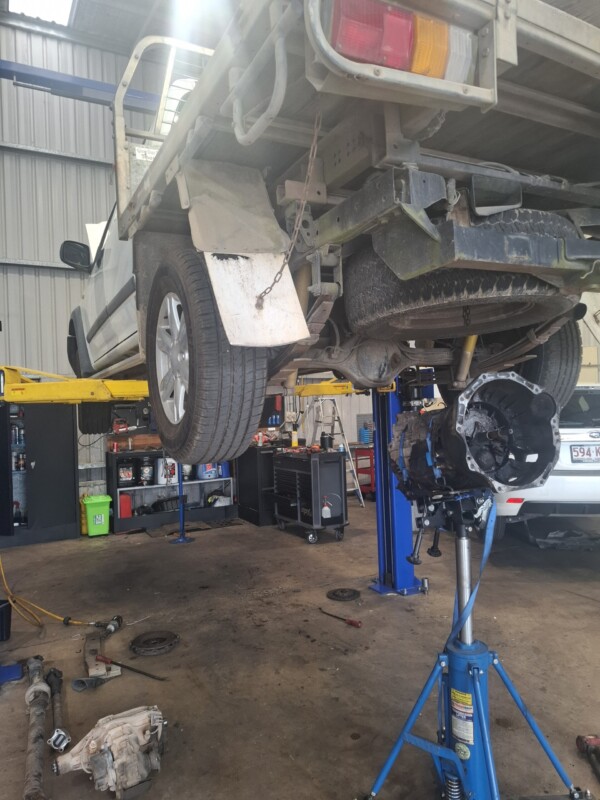
A 2010 Isuzu D-Max arrived at Autosavvy Mechanical with a failed clutch. After battling seized bolts and a bent pin, we removed the clutch, machined the flywheel and prepared the vehicle for its new clutch assembly.
An AutoSavvy service is more than an oil and filter change. Find out how we inspect, report and prioritise the condition of your vehicle to help keep it safe and reliable.
A family road trip should be about making memories — not sitting beside the highway waiting for a tow truck. Before heading away, discover the important checks that can help ensure your family car is ready for the journey.