

Selling a car, ute or van around Noosa can move quickly – until the buyer asks for the safety certificate. A roadworthy certificate Noosa drivers often ask for is formally called a Queensland safety certificate. It confirms that, on the day of inspection, a vehicle meets Queensland’s minimum safety standards for registration transfer or sale.
It is not a full mechanical report, a service record or a promise that nothing will go wrong next month. It is a focused safety inspection designed to make sure the vehicle is safe enough to be on the road. Knowing the difference can save sellers, buyers and busy local businesses plenty of frustration.
When do you need a Queensland safety certificate?
In Queensland, a safety certificate is generally required when you sell a registered vehicle, transfer registration to a new owner, register an unregistered vehicle, or bring a vehicle into Queensland from another state or territory for registration.
If you are advertising a registered vehicle for sale privately, the certificate must generally be displayed on the vehicle or included in the online advertisement. Waiting until a buyer is standing in your driveway can create an unnecessary delay and may put the sale at risk.
There are limited exemptions and special circumstances, so it is sensible to check your position before listing a vehicle. This is particularly relevant for inherited vehicles, dealer sales, unregistered vehicles and vehicles being transferred between related parties.
For private sellers, a Queensland safety certificate is usually valid for two months or 2,000 kilometres from the date of issue, whichever comes first. Dealer-issued certificates have different validity periods. If the vehicle is not sold within the valid period, another inspection may be needed before the transfer can proceed.
What a roadworthy certificate in Noosa actually checks
A safety certificate inspection looks at safety-critical components, not every part of the vehicle. The inspector checks whether key items meet the required standard at the time of inspection.
This commonly includes the brakes, steering, suspension, tyres and wheels, lights, windscreen, wipers, horn, seatbelts, seats, body condition and visible chassis condition. The inspection also considers items such as fluid leaks, exhaust condition and whether modifications appear compliant and safe.
A worn tyre close to the legal limit, a cracked windscreen in the driver’s view, a failed brake light or a loose suspension component can all prevent a certificate being issued. Some issues are quick to put right. Others, such as excessive play in steering or major oil leaks, need proper workshop repairs before the vehicle can pass.
The standard is about minimum legal safety, not cosmetic perfection. Scratches, worn paint, a tired interior or an ageing air-conditioner will not necessarily stop a vehicle passing. On the other hand, a vehicle that looks tidy can still fail if its tyres, brakes or lights do not meet the standard.
A safety certificate is not a pre-purchase inspection
This distinction matters most to buyers. A current certificate does not mean the engine, transmission, battery, cooling system or air-conditioning will be trouble-free. It does not assess every electronic feature, predict a future breakdown or confirm that the vehicle has been serviced correctly.
If you are buying a used 4WD, family car or work van, a separate pre-purchase inspection provides a much broader picture of its condition. It can identify developing mechanical concerns, poor previous repairs, diagnostic faults and maintenance that may soon be due. For a higher-value purchase, that extra information is often worth having before money changes hands.
Why vehicles fail safety inspections
Most failed inspections are not caused by one dramatic fault. They are often the result of routine maintenance being put off while the vehicle has continued doing school runs, site visits, beach trips or long Sunshine Coast drives.
Tyres are a regular issue. Tread depth, sidewall damage, uneven wear and unsuitable tyre fitment can all be a problem. Uneven wear may also point to an alignment, suspension or steering issue that should be diagnosed rather than simply covered up with new tyres.
Lighting is another common reason for delays. A blown globe may be simple, but faded headlights, damaged lenses or electrical faults can require more investigation. Windscreen damage and ineffective wipers are also easy to overlook until inspection day, especially after a dry spell.
Modified vehicles need particular care. Lift kits, wheels, tyres, bull bars, lighting accessories and suspension changes must meet Queensland requirements. Keep any relevant modification approval paperwork available. A modification that has been fitted well can still cause trouble if it is not compliant.
How to prepare before your inspection
You do not need to be a mechanic to give your vehicle a sensible pre-check. Start by making sure the exterior lights work, including brake lights, indicators and number plate lights. Check that the horn works, the windscreen is reasonably clear and the wipers clean the glass effectively.
Have a look at the tyres for visible damage and severe uneven wear. Remove loose items from the cabin and boot so the inspector can access seatbelts and relevant areas without delay. Bring the vehicle’s keys, registration details and paperwork for any approved modifications.
Do not try to hide leaks, warning lights or damaged components. It wastes time and can make a straightforward repair harder to assess. Honest information lets the workshop diagnose the issue properly and explain the most practical path forward.
If your vehicle is due for a service, brakes, tyres or suspension work, booking those items before the safety inspection may be the sensible option. It depends on the vehicle and its condition. A newer, regularly maintained car may only need the inspection, while an older work ute or high-kilometre 4WD may benefit from a broader check first.
What happens if the vehicle does not pass?
A failed inspection does not mean the vehicle is beyond repair or cannot be sold. It means one or more items did not meet the required safety standard on that day. You should receive clear details of the items that need attention.
The right next step is to repair the identified faults properly, then arrange the required follow-up inspection. Avoid the temptation to choose the cheapest quick fix if it does not address the underlying cause. For example, replacing a worn tyre without investigating badly worn suspension components may only lead to another problem soon after.
A trustworthy workshop should explain what has failed, why it matters and what work is required before proceeding. Clear advice is especially valuable when you are trying to sell a vehicle without spending money on unnecessary repairs.
Choosing an approved inspector in Noosa
Queensland safety certificates must be issued by an Approved Inspection Station. Booking with an approved local workshop means the inspection is carried out by a qualified inspector using the required standards and process.
At AutoSavvy Mechanical, the focus is on accurate inspections, straightforward explanations and getting compliant vehicles back on the road without guesswork. Same-day certificates may be available for vehicles that meet the standard, while any repairs can be discussed with transparent pricing before work begins.
For families juggling appointments, tradies who need their van earning, and visitors trying to keep a trip on track, timing matters. Booking early is the best way to avoid a last-minute hold-up when a buyer is ready to proceed or registration needs attention.
A safer sale starts before the buyer arrives
A safety certificate is a small part of selling or transferring a vehicle, but it carries real weight. Arrange it early, treat any faults as useful information rather than an inconvenience, and give yourself time to repair the vehicle properly. That approach makes the handover easier and helps put a safer vehicle on Noosa’s roads.
by Jeremy Bycroft
Share
Share
Leave A Comment
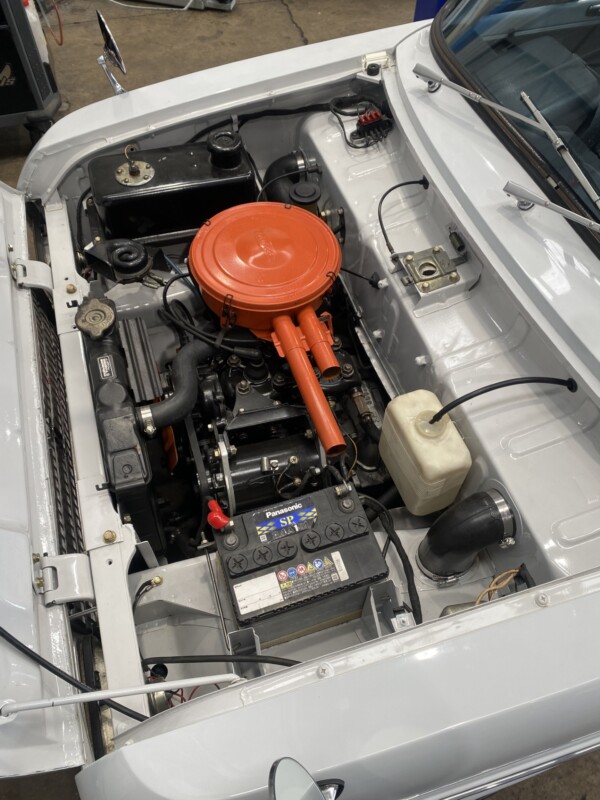
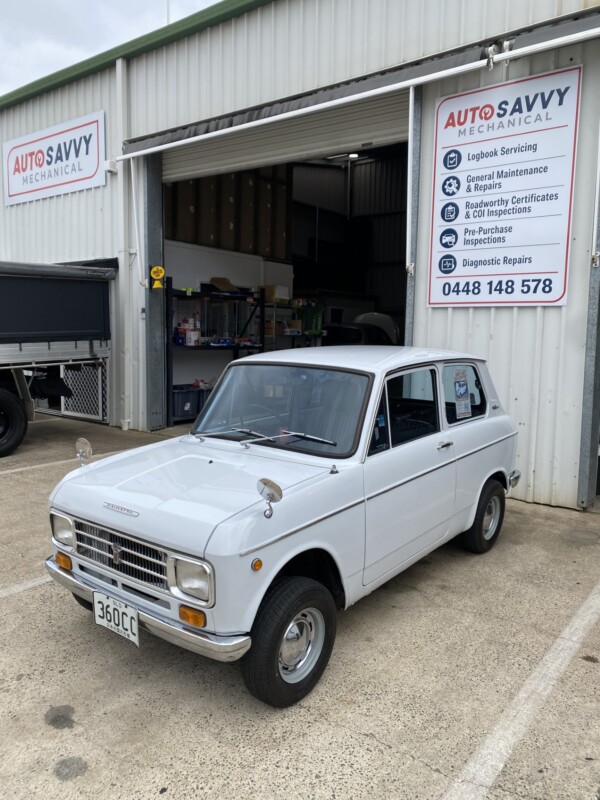
Take a step back in time with this rare 1960s Daihatsu Fellow. With its tiny 356cc two-stroke engine, four-speed manual gearbox and rear-wheel-drive layout, this remarkable little car is a wonderful example of simple engineering, careful ownership and the longevity of a well-maintained classic.
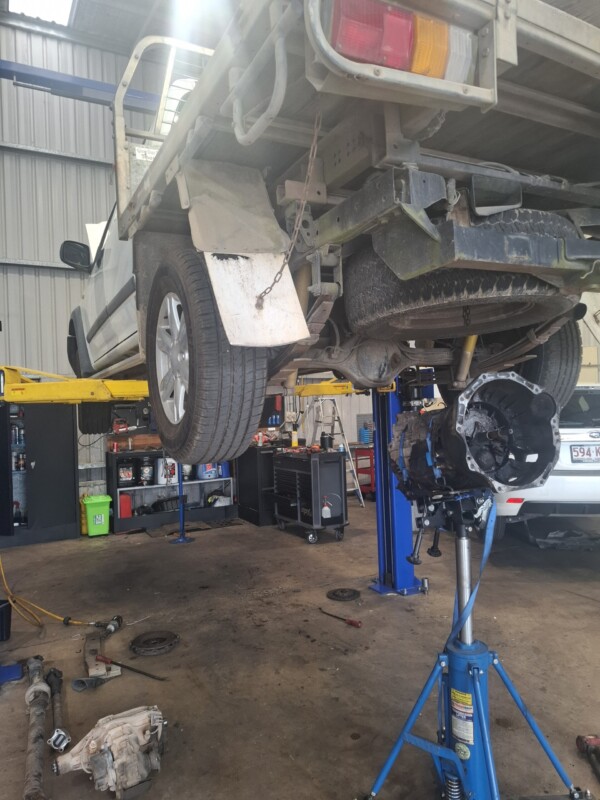
A 2010 Isuzu D-Max arrived at Autosavvy Mechanical with a failed clutch. After battling seized bolts and a bent pin, we removed the clutch, machined the flywheel and prepared the vehicle for its new clutch assembly.
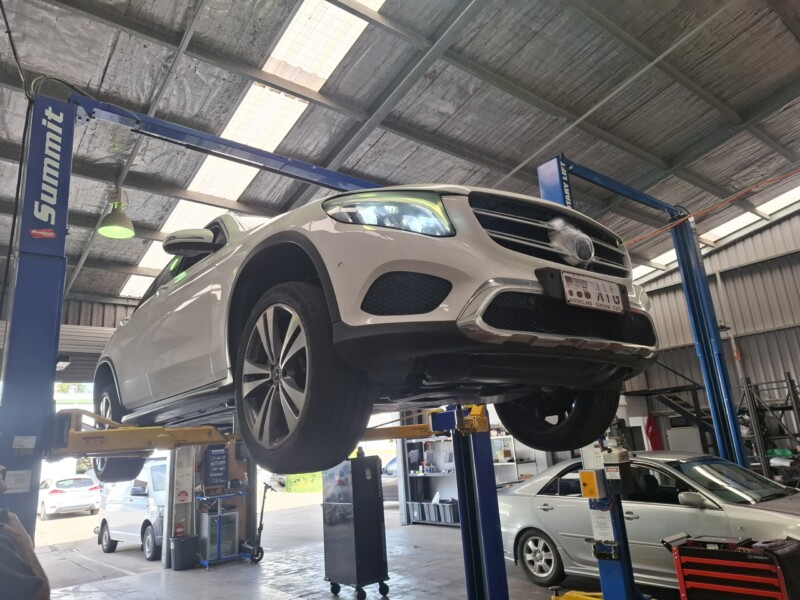
An AutoSavvy service is more than an oil and filter change. Find out how we inspect, report and prioritise the condition of your vehicle to help keep it safe and reliable.
A family road trip should be about making memories — not sitting beside the highway waiting for a tow truck. Before heading away, discover the important checks that can help ensure your family car is ready for the journey.