
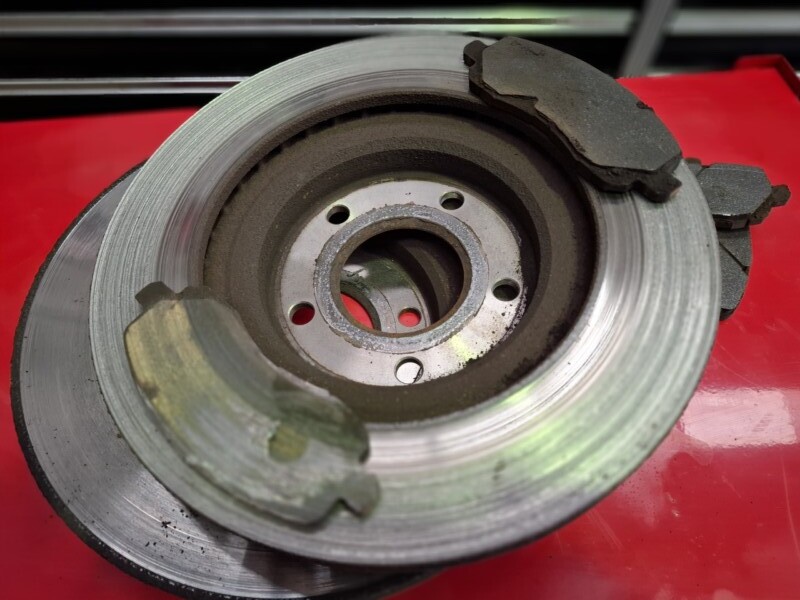
A squeal at the school drop-off, a steering wheel shudder on the way down to Noosa Heads, or a brake pedal that suddenly feels softer than usual can be easy to put off. But brake repairs are not a job to leave until the next service if your vehicle is giving you a clear warning. Your brakes need to work properly every time, whether you are towing a trailer, carrying the family, running a work ute or heading home in wet Sunshine Coast weather.
The good news is that many brake faults are found early and repaired before they cause damage to other components. The key is knowing what a normal change in brake feel sounds or feels like, and when it is time to have a qualified mechanic inspect it.
When brake repairs should not wait
Some brake symptoms need prompt attention because they can affect stopping distance, steering control or the vehicle’s ability to brake evenly. If the brake warning light or ABS light comes on, the pedal goes close to the floor, the vehicle pulls sharply to one side, or you hear metal grinding when braking, arrange an inspection as soon as possible. If the brake pedal feels unsafe or braking performance has dropped suddenly, do not keep driving simply to get a few more days out of the car.
Grinding often means the brake pad material has worn away and metal is contacting the brake disc. At that point, what may have started as a straightforward pad replacement can become a more involved repair involving discs or rotors as well.
A burning smell near a wheel, smoke, or a vehicle that feels as though it is holding back after you release the pedal can point to a sticking caliper or parking brake issue. This can create excessive heat and damage brake parts quickly. Pull over somewhere safe, let the vehicle cool and have it assessed rather than trying to drive on.
Common signs your brakes need checking
Not every brake concern means major work is required, but changes are worth investigating. A high-pitched squeal can be caused by pad wear indicators, dust or glazing on the pad surface. It may only happen during the first few stops of the day, but it still deserves a check if it persists.
A vibration through the brake pedal or steering wheel during braking is another common complaint. Drivers often assume this automatically means warped discs. In practice, the cause can vary. Disc condition, uneven pad deposits, wheel balance, worn suspension components or tyre issues can all contribute. Accurate diagnosis matters because replacing parts without identifying the cause can leave you with the same problem and a larger bill.
Pay attention to changes such as:
- a spongy, soft or unusually long brake pedal
- a vehicle that drifts or pulls while braking
- shuddering through the pedal or steering wheel
- squealing, scraping or grinding noises
- warning lights for the brakes, ABS or traction control
- reduced handbrake holding power on an incline
Brake fluid also plays a critical role. It transfers force from your pedal to the braking system. Over time, brake fluid can absorb moisture, which lowers its boiling point and can affect performance under hard or repeated braking. This is particularly relevant for vehicles that tow, travel hilly roads or carry heavier loads. Manufacturer service schedules set out when brake fluid should be replaced, although a technician may recommend checking it sooner if there are signs of contamination or a hydraulic issue.
What a proper brake inspection involves
Good brake repairs start with finding the fault, not guessing at it. A technician should road-test the vehicle where appropriate, listen to your description of the issue and inspect the brake system carefully.
That inspection commonly includes pad thickness and condition, disc wear and surface condition, caliper operation, brake hoses, fluid level, leaks, wheel bearings and the parking brake. On modern vehicles, diagnostic equipment may also be needed to investigate ABS, electronic parking brake and stability-control faults.
Brake pads do not always wear evenly. An inner pad can wear faster than the outer pad if a caliper slide is sticking, for example. Fitting new pads without addressing the underlying issue may only delay the next repair. Similarly, a brake disc is not automatically replaced every time pads are changed. Its condition, thickness and manufacturer specifications determine whether it is suitable to remain in service.
This is why transparent advice matters. You should understand what is worn, what needs attention now, what can be monitored and why the recommended work is necessary. At AutoSavvy Mechanical, the aim is to treat every vehicle like it’s our own, with practical explanations that help you make an informed decision.
Brake repairs are not one-size-fits-all
The cost and scope of brake work depends on the vehicle and the cause of the problem. A small hatchback with standard front pads is different from a loaded commercial van, a 4WD used for towing, or a late-model vehicle with electronic parking brakes and larger rotors.
Some repairs are relatively routine, such as replacing worn pads and servicing caliper slides. Others may involve new discs, caliper repairs, brake hoses, brake fluid replacement or diagnosing an ABS sensor fault. Parts quality also matters. Cheap components can be tempting, but poor fit, noise, premature wear or inconsistent braking performance can cost more in the long run.
There is also a balance between replacing only what is necessary and avoiding false economy. If discs are below their minimum thickness, heavily scored or heat-damaged, fitting new pads alone may not provide the braking performance or longevity you expect. A trustworthy workshop will explain that trade-off before work begins and provide clear pricing rather than surprising you after the fact.
How driving habits affect brake life
There is no fixed kilometre figure for brake pad replacement. Stop-start driving, school runs, hilly routes, towing, payload, vehicle weight and driving style all affect wear. A car used mostly on open roads may go considerably longer between brake repairs than one regularly driven in traffic or down steep hills.
You can help your brakes last by leaving more space between vehicles, easing off the accelerator early and avoiding heavy braking wherever traffic conditions allow. When travelling downhill, use an appropriate lower gear rather than relying on the brakes all the way down. For automatic vehicles, this may mean selecting a lower gear range where suitable.
After beach driving, muddy tracks or water crossings, have the brakes checked if you notice noise, dragging or reduced performance. Sand and debris can work into components, while water can contribute to corrosion if it remains around moving parts. This is especially relevant for 4WDs that see regular off-road use around the region.
Do not rely on a safety certificate alone
A Queensland safety certificate checks that a vehicle meets minimum safety requirements at the time of inspection. It is valuable for a sale or registration transfer, but it is not a substitute for ongoing servicing and preventive maintenance.
Brake components can wear between inspections, and early symptoms may not be obvious during a quick drive. Regular servicing gives your mechanic an opportunity to monitor pad thickness, fluid condition and related components before a minor issue becomes an urgent repair.
If you are buying a used car, a pre-purchase inspection can also provide a clearer picture of brake condition than appearance alone. A vehicle may stop adequately on a short test drive while still having worn pads, tired discs, uneven wear or expensive work approaching.
Make the safe call early
Brakes rarely improve by themselves. A noise may come and go, but wear, leaks and sticking components tend to progress. Acting early gives you more choice, helps protect related parts and reduces the chance of being caught out when you need your vehicle most.
If your car feels different under braking, trust that instinct and have it checked. Clear answers, accurate diagnosis and brake repairs completed properly are what get you back on the road with confidence.
by Jeremy Bycroft
Share
Share
Leave A Comment
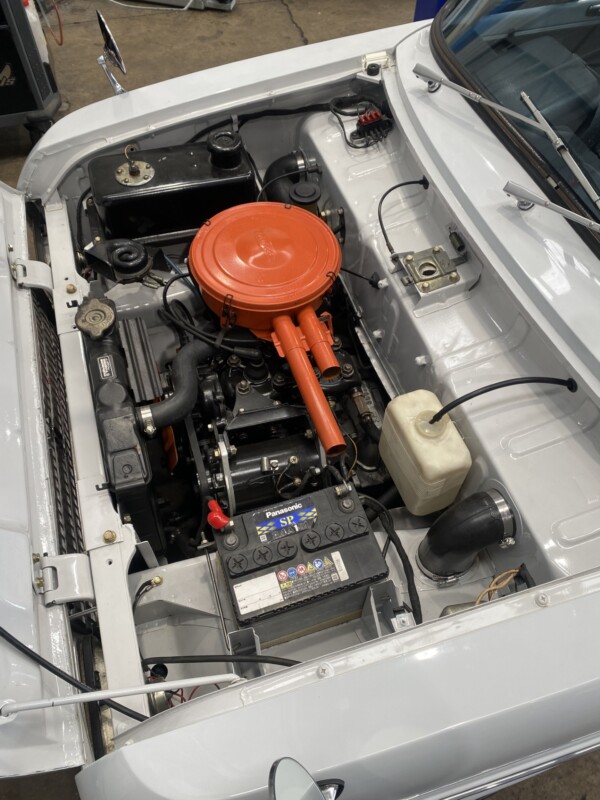
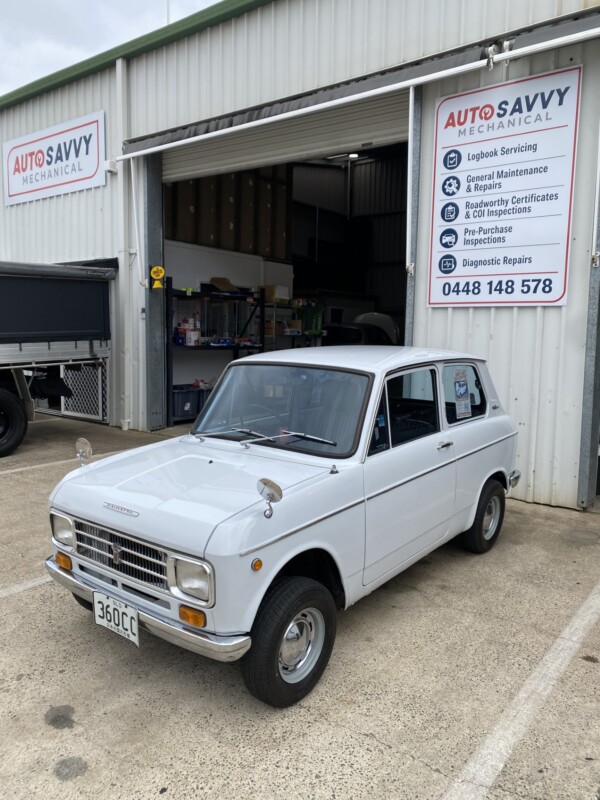
Take a step back in time with this rare 1960s Daihatsu Fellow. With its tiny 356cc two-stroke engine, four-speed manual gearbox and rear-wheel-drive layout, this remarkable little car is a wonderful example of simple engineering, careful ownership and the longevity of a well-maintained classic.
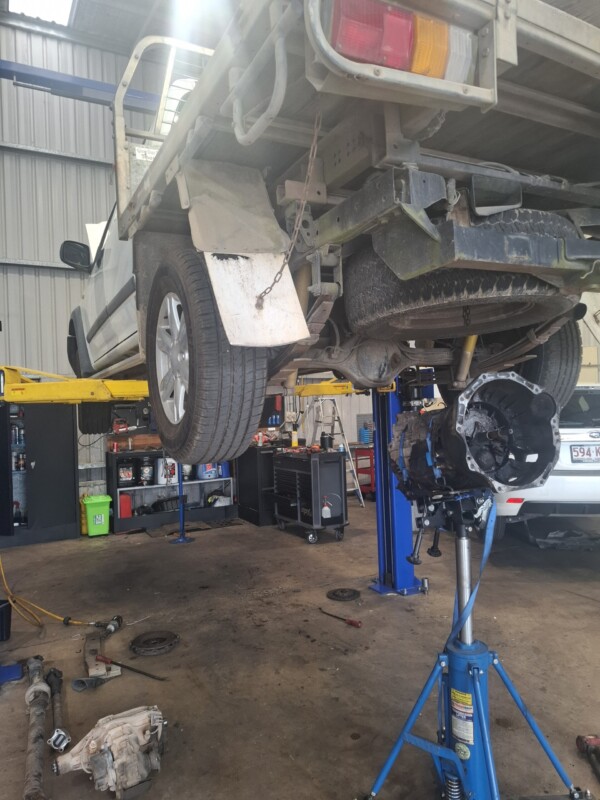
A 2010 Isuzu D-Max arrived at Autosavvy Mechanical with a failed clutch. After battling seized bolts and a bent pin, we removed the clutch, machined the flywheel and prepared the vehicle for its new clutch assembly.
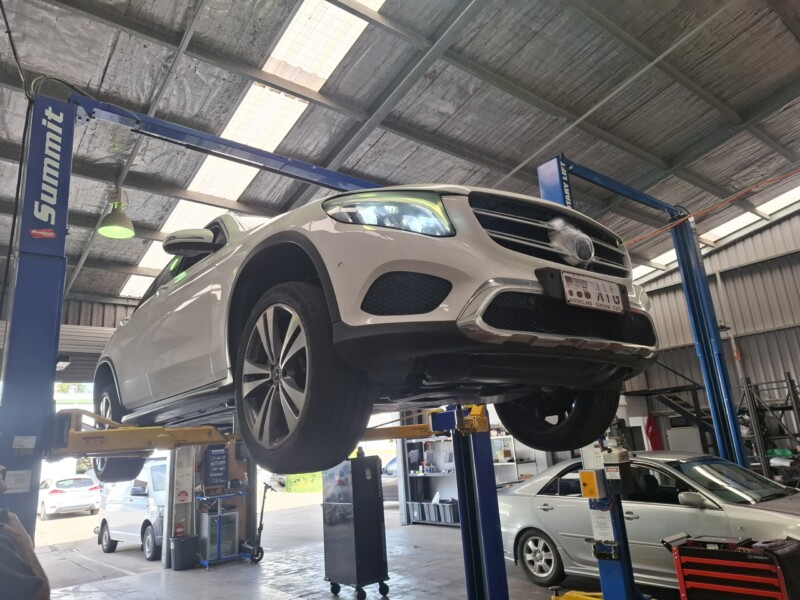
An AutoSavvy service is more than an oil and filter change. Find out how we inspect, report and prioritise the condition of your vehicle to help keep it safe and reliable.
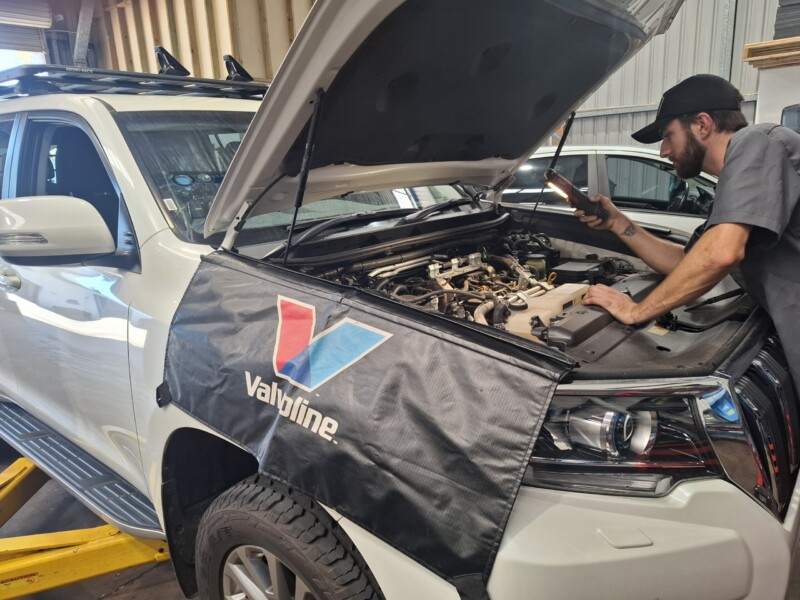
A family road trip should be about making memories — not sitting beside the highway waiting for a tow truck. Before heading away, discover the important checks that can help ensure your family car is ready for the journey.