
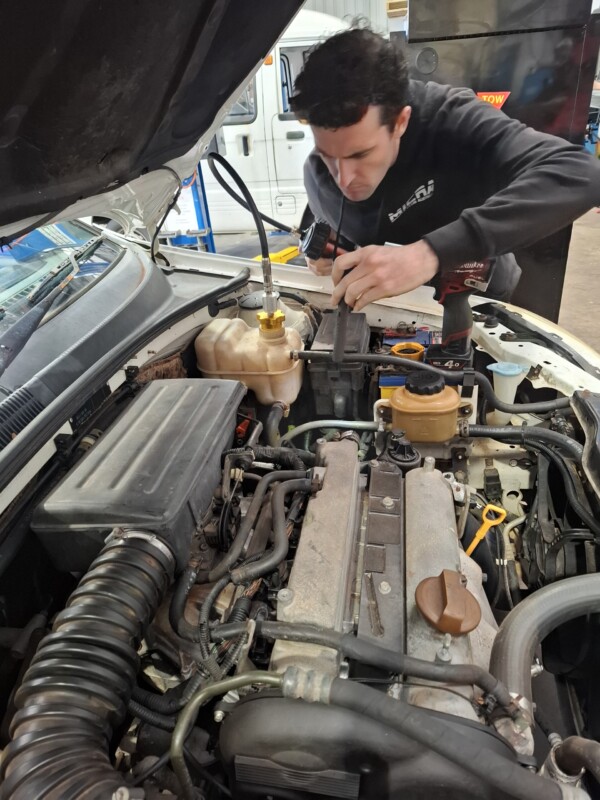
A reliable mechanic Noosa drivers can turn to is not just useful when a warning light appears or the car will not start. The right workshop helps you stay ahead of trouble, keeps your vehicle safe for school runs, work sites and weekend trips, and gives you a clear answer when something needs attention.
For local families, tradies, retirees, business owners and visitors travelling through the Sunshine Coast, vehicle care needs to be straightforward. You should know what work is recommended, why it matters, what it will cost and when your vehicle will be ready. That is the difference between simply getting a repair done and having a workshop partner you can rely on.
Choosing a Mechanic Noosa Drivers Can Rely On
A good workshop starts with proper communication. Cars are complicated, but the advice you receive should not be. Whether your vehicle needs a routine service, has developed an unusual noise or has failed to start in the driveway, a mechanic should explain the likely issue in plain language and outline the sensible next step.
It also pays to look for a workshop that works on more than one type of vehicle. Noosa roads carry everything from compact family cars and hybrids to 4WDs, commercial vans and work utes. A workshop with broad experience can service vehicles to manufacturer specifications while also understanding the practical demands of towing, stop-start driving, sandy conditions and long regional trips.
Honesty matters just as much as technical skill. Some work is urgent because it affects safety or could cause greater damage if ignored. Other items can be monitored and planned for at a later service. A dependable mechanic will tell you the difference, rather than treating every recommendation as an emergency.
Before authorising work, ask how the workshop approaches quotes and additional findings. It is normal for a technician to uncover another issue once inspections begin, particularly on an older vehicle. What matters is that you are contacted, given a clear explanation and able to approve the work before unexpected costs are added.
Servicing That Protects Your Car and Your Warranty
Regular servicing is the simplest way to prevent many expensive repairs. Engine oil, filters, brakes, fluids, belts, tyres and battery condition all need attention at different intervals. Skipping a service because the car feels fine can allow a small issue to become a breakdown, especially in Queensland heat or during a busy holiday period.
For newer cars, independent servicing does not mean giving up on quality or warranty protection. A qualified workshop can complete logbook servicing in line with manufacturer specifications, using suitable parts and lubricants and maintaining accurate service records. The key is following the required schedule and carrying out the prescribed work properly.
Service timing depends on your vehicle and how you use it. A vehicle doing short trips around Noosaville may need different attention from a diesel ute covering long distances between Noosa, Gympie and worksites across the Sunshine Coast. Likewise, a 4WD regularly used on beaches or dirt roads may need closer checks of its brakes, suspension, underbody and driveline components.
A proper service should be more than an oil change. It is an opportunity to inspect the systems that keep you safe and mobile. If an item needs watching, you should leave knowing what it is, how soon it may need work and what signs to look out for.
Accurate Diagnosis Saves Time and Money
Modern vehicles rely heavily on electronics. A dashboard warning light might relate to a sensor, fuel system, emissions component, battery voltage issue or a fault elsewhere in the vehicle. Replacing parts based on guesswork can be costly and may not solve the problem.
This is where diagnostic equipment and experience make a real difference. A technician should read the vehicle data, test the relevant systems and confirm the cause before recommending repairs. Fault codes are a starting point, not always the final answer.
The same approach applies to noises, vibrations and handling changes. A clunk over bumps could be linked to suspension components, while a shudder under acceleration may point towards wheels, tyres, driveline parts or transmission concerns. There is no one-size-fits-all answer, which is why an inspection is more valuable than advice based solely on a description over the phone.
If your car develops any of the following symptoms, arrange a check before a minor issue leaves you stranded:
- A warning light that remains on after starting
- Grinding, squealing or pulling when braking
- Overheating, coolant loss or steam from the bonnet
- New vibrations, steering looseness or uneven tyre wear
- Difficulty starting, dim lights or repeated flat batteries
Not every warning means a major repair is needed. Acting early, however, gives you more options and often reduces the final cost.
Safety Certificates and COI Inspections Without the Runaround
Selling, transferring or re-registering a vehicle in Queensland can require a safety certificate. Commercial and certain passenger transport vehicles may also require a Certificate of Inspection, commonly known as a COI. These inspections are about roadworthiness, not a full assessment of every mechanical component in the car.
A licensed inspection station checks the prescribed safety items, including tyres, brakes, steering, suspension, lights, windscreen condition and other relevant components. If the vehicle meets the requirements, a certificate can be issued. For compliant vehicles, same-day processing helps take pressure off a sale, registration task or work schedule.
If your vehicle does not pass, the best outcome is clear information. You need to know what has failed, what work is required and whether the repair can be completed promptly. It is worth remembering that a safety certificate does not replace a pre-purchase inspection. If you are buying a used vehicle, a more detailed mechanical inspection can identify concerns that may not prevent a safety certificate from being issued but could still become costly later.
Convenience Counts When Your Vehicle Is Part of Your Day
For many people, being without a car is more than an inconvenience. It can mean missed appointments, lost work time, disrupted school drop-offs or a delayed job for a client. A workshop that respects your time will provide realistic booking times, keep you updated and avoid promising a completion time it cannot meet.
Courtesy cars can make routine servicing and repairs far easier to manage, particularly for busy households and small-business operators. Availability can vary, so it is sensible to ask when booking. The same applies to turnaround times for diagnostics, parts ordering and more complex repairs. A straightforward answer is better than false certainty.
Local knowledge helps too. A Noosa workshop understands that a visitor with a mechanical problem may need fast, practical help before continuing their trip. It also understands the needs of residents who want to keep an older vehicle dependable without spending money on repairs that do not offer real value.
At AutoSavvy Mechanical, the focus is on treating every vehicle like it is our own: inspecting carefully, explaining the work clearly and doing the job right the first time. Whether you drive a family SUV, a work van, a 4WD or a daily commuter, the goal is the same – safe, dependable motoring without the uncertainty.
The best time to find a trustworthy workshop is before you are stuck on the side of the road. Book servicing when it is due, ask questions when something does not feel right, and choose advice that puts the safety and long-term reliability of your vehicle first.