

A hybrid is not just a petrol car with a battery tucked away somewhere. It combines an internal-combustion engine, electric motor, high-voltage battery and sophisticated control systems that must work together properly. That is why hybrid car servicing should follow your manufacturer’s schedule and be carried out by a workshop with the right knowledge, equipment and safety procedures.
For drivers across Noosa and the Sunshine Coast, the goal is simple: keep your vehicle safe, economical and dependable without paying for work it does not need. A proper service helps identify small issues before they affect fuel use, performance or your ability to get where you are going.
What makes hybrid car servicing different?
Many regular maintenance items remain much the same. Your hybrid still has tyres, brakes, suspension, steering components, cooling systems, filters and, in most cases, a petrol engine requiring oil and filter changes. It can still develop warning lights, leaks, worn bushes and battery problems just like any other vehicle.
The difference is the hybrid system. Depending on the vehicle, this may include a high-voltage traction battery, inverter, electric drive motor, regenerative braking system and battery cooling equipment. These components require correct diagnostic testing and safe handling. They are not areas for guesswork or a quick look under the bonnet.
Hybrid vehicles also vary considerably. A conventional hybrid charges itself through the engine and regenerative braking. A plug-in hybrid has a larger battery that can be charged externally and may travel further in electric-only mode. Mild hybrids use a smaller electrical system to assist the engine but cannot normally drive on battery power alone. Your service needs depend on the design, age, kilometres and manufacturer requirements of your particular vehicle.
What is checked during a hybrid service?
A manufacturer-specification service starts with the items due at your vehicle’s current time or kilometre interval. This often includes engine oil and filter replacement where applicable, brake and tyre checks, fluid inspections, lights, wipers, suspension and steering assessment, and a thorough look for leaks or damage.
A qualified workshop should also scan the vehicle for fault codes and check the hybrid system’s operation. This can reveal developing issues that may not yet trigger an obvious dashboard warning. The 12-volt auxiliary battery deserves attention too. Even though it is not the main hybrid battery, a weak 12-volt battery can create starting issues, warning messages and confusing electrical faults.
Battery cooling is another important area. Some hybrids use vents, ducts or cooling fans to manage traction-battery temperature. Dust, pet hair and debris can restrict airflow over time, particularly in vehicles used for school runs, beach trips or carrying pets. Poor cooling can place extra strain on the battery, so it should be inspected and cleaned where the manufacturer’s service procedure calls for it.
Brake servicing should never be overlooked. Regenerative braking reduces wear on brake pads and discs by using the electric motor to slow the vehicle and recover energy. That is good news for pad life, but it can mean the conventional brakes are used less often. On coastal vehicles, moisture and salt air can contribute to corrosion on discs, calipers and moving components. Regular inspection helps ensure the brakes still apply smoothly and release correctly.
Does a hybrid need less maintenance?
Often, yes – but not no maintenance. Hybrid owners may see less brake wear, lower fuel use in town and reduced strain on the petrol engine in stop-start traffic. Some models also have fewer conventional components than a non-hybrid equivalent.
However, lower wear in one area does not cancel out the need for scheduled servicing. Oil can still degrade, tyres still wear, coolant still ages and suspension still works hard on Queensland roads. The petrol engine may run less frequently, but it still needs the right maintenance to remain reliable.
The high-voltage battery is not normally replaced as part of routine servicing. Its condition should be assessed when there are symptoms, diagnostic faults or manufacturer-recommended checks due. Battery life is influenced by age, climate, usage patterns and cooling performance, so no honest workshop should promise an exact lifespan without testing the vehicle.
When should you book hybrid car servicing?
Follow the intervals in your logbook, using whichever comes first: time or kilometres. This matters even if you have driven very little. Fluids, seals and 12-volt batteries can deteriorate with age, while a vehicle that sits for long periods can develop tyre, brake and battery concerns.
Do not wait for a warning light if the vehicle feels different. Book an inspection sooner if you notice reduced fuel economy, unusual engine running, a cooling fan that seems excessively loud, braking that feels rough, difficulty starting, a burning smell or any hybrid-system warning message.
It is especially worthwhile to arrange a check before a long drive. Whether you are heading down to Brisbane, towing a small trailer or travelling further afield, having the cooling system, tyres, brakes and fluids checked can prevent a minor issue becoming a trip-stopping problem.
Warning signs that need prompt attention
Hybrid warning lights should be treated seriously, particularly if the vehicle limits power or displays a message to stop safely. Other signs worth checking promptly include:
- a sudden drop in fuel economy without a clear reason;
- repeated flat 12-volt battery symptoms or intermittent starting;
- harsh, noisy or inconsistent braking;
- coolant leaks, overheating or an unusually noisy battery cooling fan; and
- a petrol engine that runs constantly when it normally switches off at low speeds or when stopped.
These symptoms do not automatically mean the traction battery has failed. A proper diagnostic assessment is the sensible first step, rather than replacing expensive parts based on assumption.
Can an independent workshop service a hybrid under warranty?
In many cases, yes. You do not have to rely on a dealership for every scheduled service simply because your vehicle is under new-car warranty. The important point is that servicing is completed to the manufacturer’s specifications, using suitable parts and fluids, with accurate records kept.
There are exceptions and details that vary by manufacturer, model and warranty terms. Some recalls, software updates or warranty repairs may need to be completed by an authorised dealer. If you are unsure, bring in your logbook and ask before work begins. Clear advice is better than finding out after the fact that a required item was missed.
Keep your invoices and service records together with the logbook. They provide a useful maintenance history if you make a warranty claim or sell the vehicle later.
Why diagnostics matter more in hybrids
Modern hybrids can store fault information long before a driver notices a major change. Professional scan tools can communicate with the vehicle’s control modules, read live data and help narrow down the actual cause of a fault.
That matters because the same symptom can have several causes. A warning light may relate to a weak 12-volt battery, a sensor issue, cooling fault, wiring concern or high-voltage system problem. Replacing parts without testing is expensive and frustrating. Accurate diagnostics give you a clearer explanation of what is wrong, what needs attention now and what can be monitored.
At AutoSavvy Mechanical, the focus is on doing the job right the first time, explaining the work in plain language and giving you transparent pricing before unexpected repairs move ahead.
Everyday habits that help your hybrid last
Good servicing is the foundation, but everyday use matters as well. Keep the manufacturer-recommended tyre pressures, as low pressures can quickly reduce the fuel-saving benefit of a hybrid. Avoid blocking battery vents with bags, blankets or loose gear, and pay attention to any warning messages rather than hoping they disappear.
If your vehicle is a plug-in hybrid, use the recommended charging equipment and have damaged cables or charge ports checked. It is also wise to run the petrol engine regularly where your driving pattern is mostly short electric trips, particularly if the manufacturer advises it. This helps the engine reach operating temperature and avoids leaving old fuel sitting for excessive periods.
Choose a workshop that understands both the familiar mechanical side of your car and the electrical systems that make it a hybrid. With servicing completed on schedule and faults diagnosed properly, your hybrid can keep delivering the quiet, efficient driving you bought it for – whether it is doing the school run, the daily commute or a weekend trip along the coast.
by Jeremy Bycroft
Share
Share
Leave A Comment
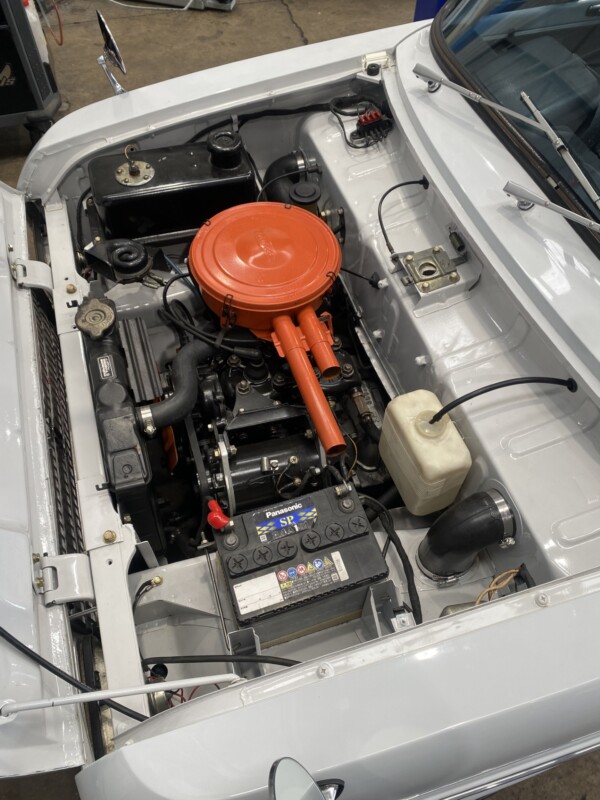
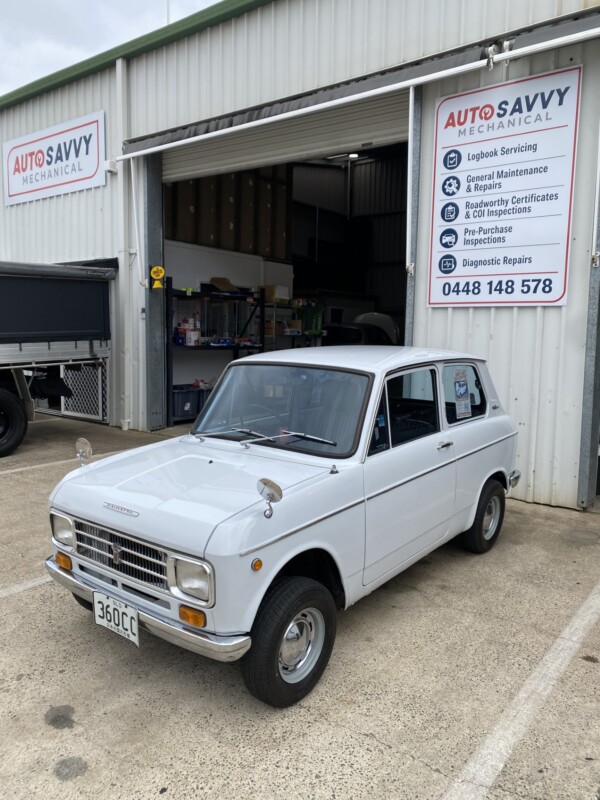
Take a step back in time with this rare 1960s Daihatsu Fellow. With its tiny 356cc two-stroke engine, four-speed manual gearbox and rear-wheel-drive layout, this remarkable little car is a wonderful example of simple engineering, careful ownership and the longevity of a well-maintained classic.
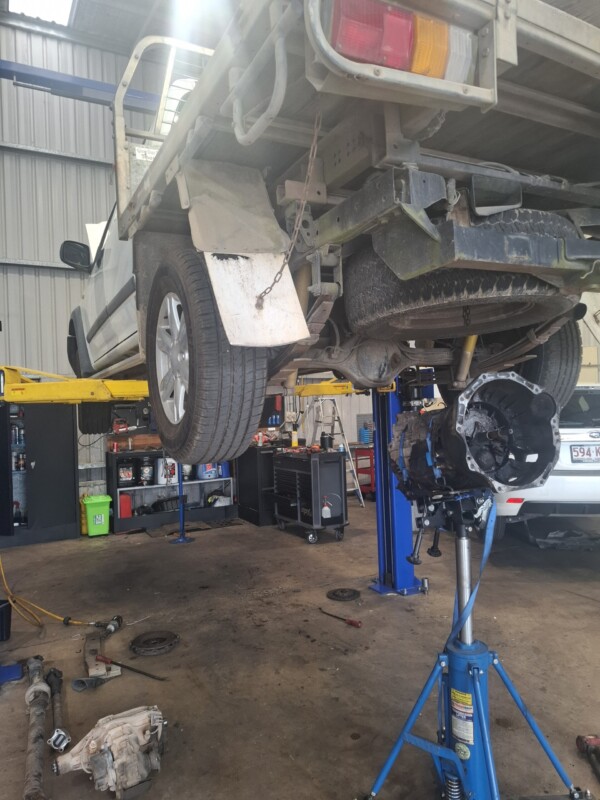
A 2010 Isuzu D-Max arrived at Autosavvy Mechanical with a failed clutch. After battling seized bolts and a bent pin, we removed the clutch, machined the flywheel and prepared the vehicle for its new clutch assembly.
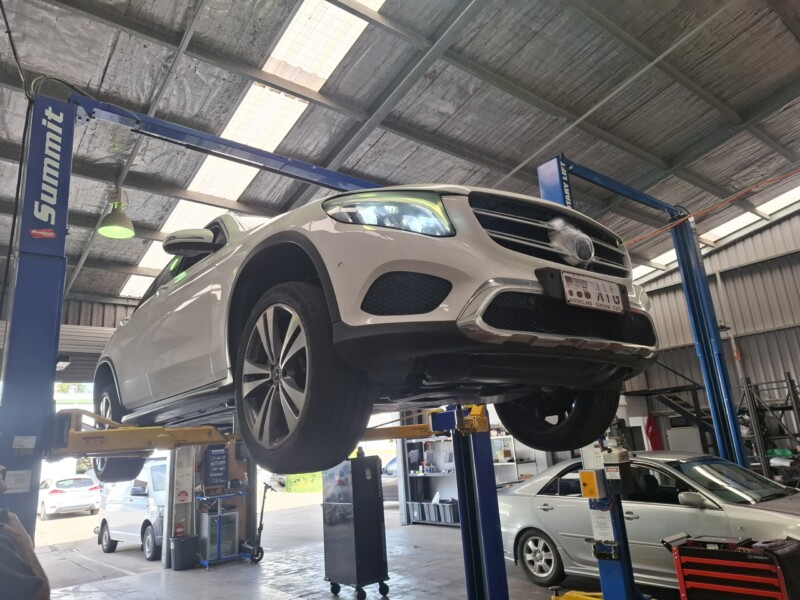
An AutoSavvy service is more than an oil and filter change. Find out how we inspect, report and prioritise the condition of your vehicle to help keep it safe and reliable.
A family road trip should be about making memories — not sitting beside the highway waiting for a tow truck. Before heading away, discover the important checks that can help ensure your family car is ready for the journey.