
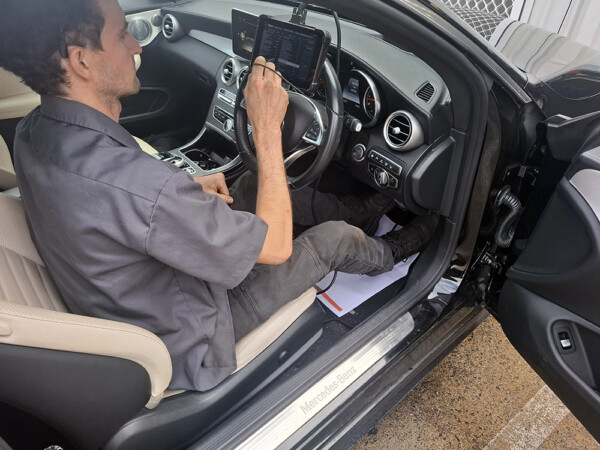
A warning light on the dash is easy to ignore when the car still starts and drives. But car diagnostics Noosa drivers can rely on is about finding the cause before a small fault becomes an expensive repair, a roadside breakdown or a safety concern. The right diagnosis replaces guesswork with clear answers, so you can make an informed decision about what your vehicle needs.
What vehicle diagnostics actually involve
Modern vehicles have multiple computers monitoring the engine, transmission, braking, emissions, steering, airbag systems and more. When one of those systems detects a reading outside its expected range, it may store a fault code and trigger a warning light.
Reading that code is only the first step. A code may point to a circuit, sensor or system, but it does not always identify the failed part. For example, an engine warning light relating to an oxygen sensor could be caused by the sensor itself, damaged wiring, an exhaust leak, a fuel issue or another fault affecting the sensor reading.
Proper diagnostics combines scan-tool data with mechanical testing, visual checks and the technician’s experience. That might include checking live sensor readings, battery and charging voltage, fuel pressure, ignition performance, vacuum leaks, wiring connections or fluid condition. It takes more time than simply plugging in a scanner, but it helps avoid replacing good parts and paying twice for the same issue.
When to book car diagnostics in Noosa
Some faults make themselves obvious. Others are intermittent and only appear on particular trips, after rain, when towing or when the engine is cold. Booking an inspection early gives a technician the best chance of preventing further damage.
Arrange diagnostics if your check-engine light, ABS light, airbag light, battery light or temperature warning appears. You should also take notice when your vehicle loses power, uses more fuel than usual, runs roughly, struggles to start, changes gear harshly or produces unusual smoke or smells.
A warning light that disappears should not be dismissed automatically. The vehicle may have recorded useful fault information even if the light is no longer visible. Intermittent faults can be frustrating, particularly with electrical systems, but a stored code and a clear description of when the symptom occurred can narrow the investigation considerably.
For local drivers, short runs around Noosa and Noosaville can hide a developing problem because the engine may not reach normal operating temperature for long. For visitors heading north, towing a van or travelling over the range, a minor cooling, charging or driveline issue can quickly become a trip-stopping problem. A check before a longer journey is sensible when a warning light has appeared or the vehicle simply does not feel right.
The symptoms are as valuable as the warning light
Before your booking, make a note of what you have noticed. Does the issue happen only first thing in the morning? Is it worse under acceleration, when braking, with the air conditioning on or after filling up with fuel? Has the vehicle recently had work completed, been through floodwater, struck a pothole or had a flat battery?
These details are not small talk. They help recreate the fault and can save diagnostic time. If a warning message appears, a photo from your mobile can also be useful, especially where the message disappears after restarting the car.
Why a scan alone is not a diagnosis
There are affordable code readers available to motorists, and they can be handy for identifying that a warning light has been logged. The limitation is that they often provide a general code description without the testing needed to prove the underlying cause.
Clearing a code may turn off the light temporarily, but it does not repair the fault. If the issue remains, the light will usually return. In some cases, clearing codes before an inspection also removes valuable freeze-frame data that shows the conditions present when the vehicle detected the problem.
There is a similar trap in online fault-code searches. The same code can have several causes across different makes and models. Replacing the part most commonly mentioned online may work, but it can also become an expensive process of trial and error. Accurate fault-finding is designed to identify the failed component, connection or mechanical condition before repairs are recommended.
A clear diagnostic process protects your budget
Good workshop diagnostics should feel straightforward, not confusing. The process begins with listening to the driver and confirming the symptoms. The vehicle is then assessed using suitable diagnostic equipment and practical tests relevant to the system involved.
Once the cause is identified, you should receive a clear explanation of what has been found, what repair is recommended and why it matters. Some issues require immediate attention, particularly braking, steering, overheating, airbag and charging faults. Others can be monitored or scheduled, depending on the condition of the vehicle and how it is used.
There are times when further testing is necessary. Complex electrical faults, occasional drivability issues and problems that only occur under a specific load can take longer to isolate. An honest workshop will explain this before proceeding rather than presenting a surprise bill after the fact. Transparent pricing means understanding the diagnostic work required as well as the likely repair options.
Common faults that need professional testing
Battery and charging problems are often mistaken for a failed battery alone. A weak alternator, poor earth connection, corroded terminal, parasitic electrical draw or stop-start system fault can produce similar symptoms. Testing the complete charging system is the best way to avoid fitting a battery that will soon go flat again.
Engine running issues can be just as varied. A misfire may come from worn spark plugs, ignition coils, fuel injectors, air leaks, sensor faults or internal engine problems. The vibration might be mild at idle and severe under load, so the diagnosis needs to account for when and how it occurs.
Diesel and 4WD vehicles can also develop faults involving turbocharger controls, particulate filter systems, EGR components, sensors and fuel delivery. These are not jobs for assumptions, particularly when a work ute or commercial van is needed every day. Getting the fault identified correctly can reduce downtime and help protect more expensive components.
Automatic transmission concerns deserve early attention too. Delayed engagement, shuddering, harsh shifts or transmission warnings may relate to fluid condition, electronic controls, sensors or a mechanical issue. Continuing to drive with a transmission fault can increase the eventual repair cost, so it is worth having it assessed promptly.
Car diagnostics for newer vehicles and warranties
A diagnostic visit does not affect your new-car warranty when servicing and repairs are completed to the correct manufacturer requirements. Independent workshops can use appropriate information, equipment and quality parts to care for many late-model vehicles while giving owners a practical alternative to dealership servicing.
The key is proper records and doing the job to specification. Keep invoices, follow the service schedule and address warning lights instead of leaving them until the next service. If a fault may be covered by a manufacturer warranty, diagnostic findings can also give you a clearer basis for discussing the issue with the vehicle supplier.
At AutoSavvy Mechanical, the focus is on explaining the fault in plain language, then carrying out the work needed to get you safely back on the road. Whether you drive a family SUV, a daily commuter, a 4WD, van or work ute, the aim is to do the job right the first time.
Do not wait for a breakdown
Not every dashboard light means you need to stop immediately, but a red warning light, overheating message, oil-pressure warning, flashing check-engine light or serious braking concern should be treated urgently. Pull over safely where appropriate, avoid continuing to drive if damage may occur, and arrange professional advice.
For less urgent faults, booking diagnostics sooner is still the practical choice. You will have more control over timing and repair costs than you would after a breakdown on a busy day, before a family trip or when your work vehicle is due on site. A vehicle that is running properly is safer, more efficient and far less likely to let you down when you need it most.
by Jeremy Bycroft
Share
Share
Leave A Comment
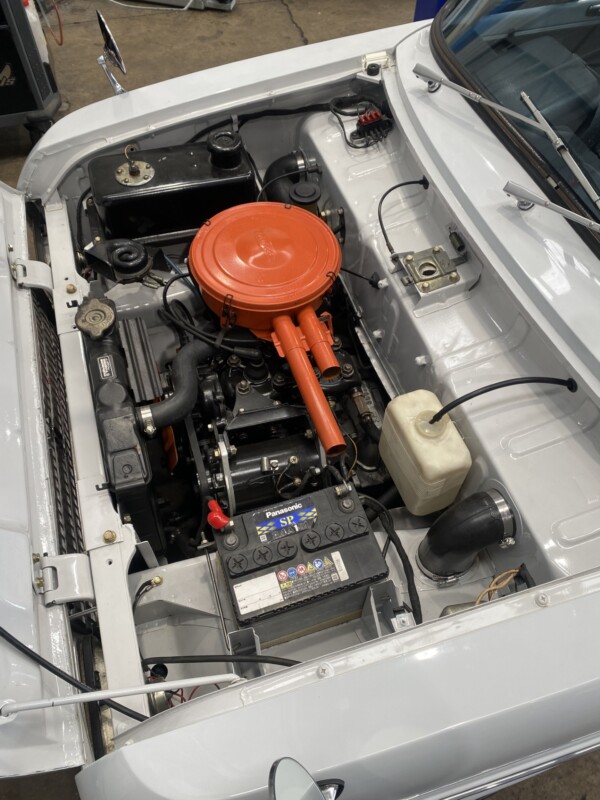
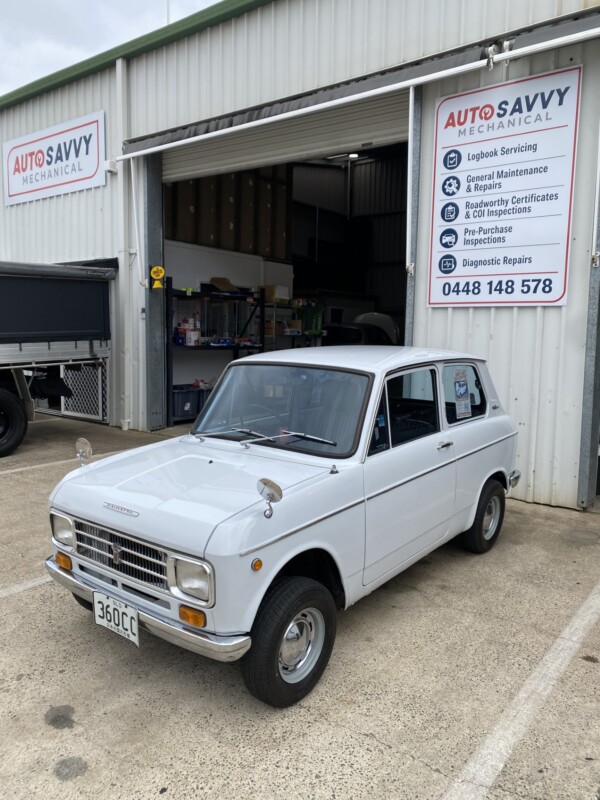
Take a step back in time with this rare 1960s Daihatsu Fellow. With its tiny 356cc two-stroke engine, four-speed manual gearbox and rear-wheel-drive layout, this remarkable little car is a wonderful example of simple engineering, careful ownership and the longevity of a well-maintained classic.
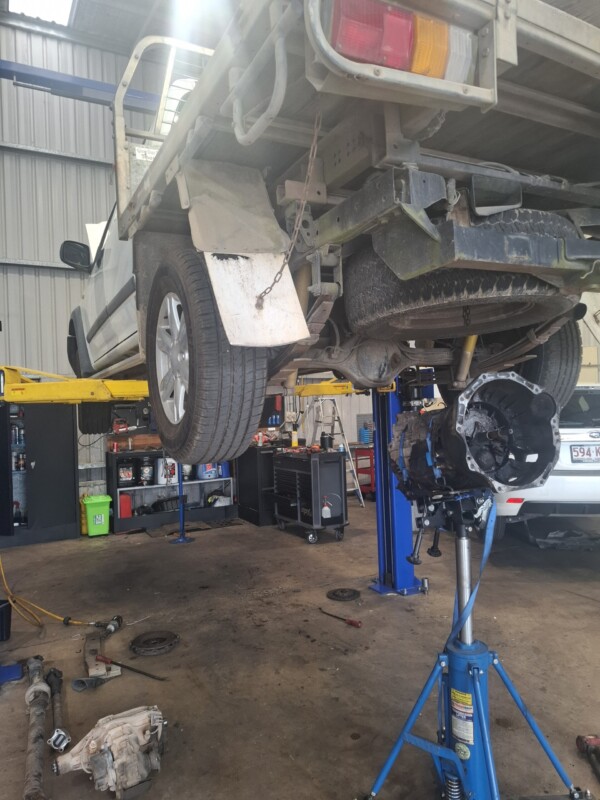
A 2010 Isuzu D-Max arrived at Autosavvy Mechanical with a failed clutch. After battling seized bolts and a bent pin, we removed the clutch, machined the flywheel and prepared the vehicle for its new clutch assembly.
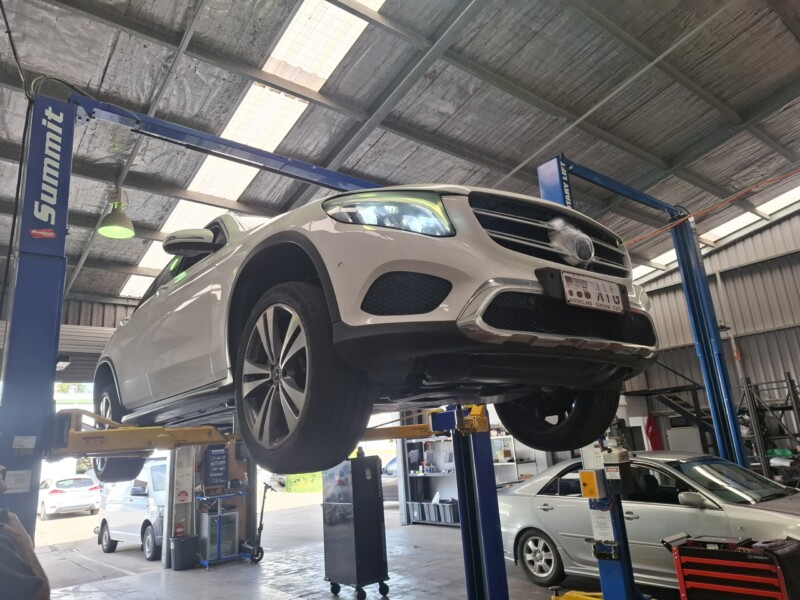
An AutoSavvy service is more than an oil and filter change. Find out how we inspect, report and prioritise the condition of your vehicle to help keep it safe and reliable.
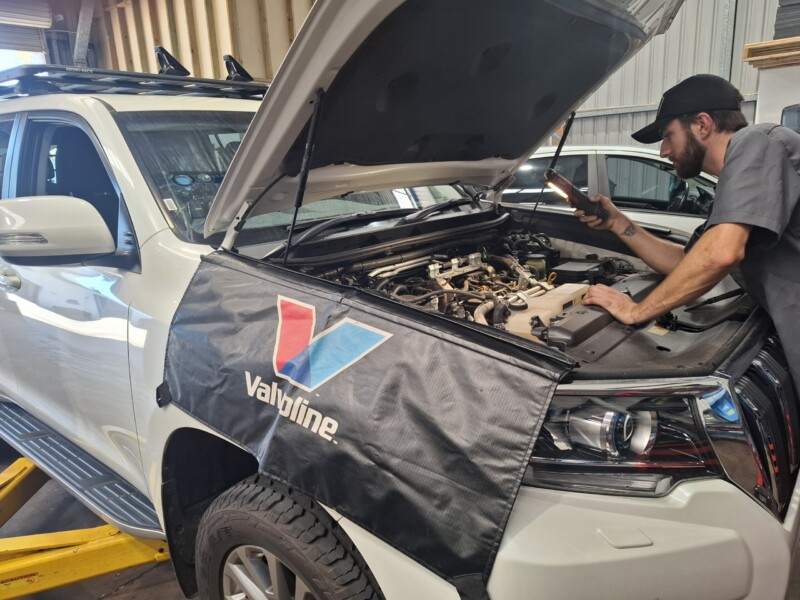
A family road trip should be about making memories — not sitting beside the highway waiting for a tow truck. Before heading away, discover the important checks that can help ensure your family car is ready for the journey.