
A warning light on the dash, a squeal when braking or a faint vibration through the steering wheel can be easy to put off when life is busy. But the importance of regular servicing and repairs is often felt most clearly when a small issue becomes a costly breakdown, usually at the worst possible time.
For Sunshine Coast drivers, a reliable vehicle is more than a convenience. It gets children to school, tradies and small-business owners to jobs, families to weekend commitments and visitors safely around unfamiliar roads. Regular servicing gives your mechanic the chance to spot wear early, while timely repairs stop faults from affecting other components, safety or reliability.
Why regular servicing matters
A vehicle does not need to be making a strange noise to need attention. Engines, brakes, tyres, suspension, cooling systems and driveline components all wear gradually. Because that wear happens over thousands of kilometres, it can be difficult to notice from the driver’s seat until performance has already changed.
A proper service follows the manufacturer’s recommended schedule for your vehicle’s age, engine and use. It generally includes replacing specified oils and filters, checking fluid levels, inspecting key safety components and looking for leaks, deterioration and early signs of faults. This is not about adding unnecessary work. It is about knowing the condition of the vehicle before a minor concern turns into an interruption to your week.
The right interval depends on the vehicle and how it is used. A car doing short trips around Noosa may need different attention from a commercial van travelling long distances, or a 4WD regularly towing, carrying equipment or heading onto sand. Heat, stop-start traffic, dusty conditions and coastal air can all add stress to components over time. Manufacturer specifications provide the starting point, but an experienced workshop can explain what your vehicle actually needs.
Servicing helps protect your warranty
Many owners assume a new car must return to the dealership for servicing to keep its warranty. That is not generally the case. An independent workshop can complete logbook servicing to manufacturer specifications, using suitable parts and fluids, while maintaining accurate service records.
The key is that the work must be completed correctly and on schedule. Missing services or using the wrong oil, filter or procedure can create problems if a warranty claim is needed later. Keeping invoices and service documentation is also worthwhile, especially when it comes time to sell the vehicle.
Regular servicing and repairs are not the same thing
Servicing is planned maintenance. Repairs are the work needed when something is worn, damaged or not operating as it should. Both are essential, but they solve different problems.
During a service, a technician may find brake pads approaching their wear limit, a small coolant leak, cracked suspension bushes or a battery that is struggling to hold charge. At that point, you can make an informed decision about the repair before the vehicle becomes unsafe or leaves you stranded.
Some repairs cannot wait. Brake concerns, overheating, tyre damage, steering problems, fuel leaks and major warning lights need prompt professional attention. Others may be safe to monitor for a short period, provided you understand the risk and the likely timeframe. Honest advice means explaining the difference clearly rather than treating every recommendation as equally urgent.
Accurate diagnosis matters just as much as the repair itself. A warning light can point to several possible causes, and replacing parts based on guesswork is an expensive way to chase a fault. The right diagnostic equipment, combined with hands-on experience, helps identify the actual issue and supports doing the job right the first time.
The safety benefits are immediate
Most drivers think first about engine reliability, but regular maintenance plays a major role in vehicle safety. Your brakes, tyres, steering, suspension, lights and wipers all affect how well you can avoid trouble on the road.
Brake pads and discs wear progressively. Suspension components can lose their effectiveness without causing an obvious noise. Tyres may look acceptable at a glance while uneven wear, low tread or incorrect pressures reduce grip in wet conditions. A service inspection brings these areas into focus before an emergency stop or heavy downpour exposes a problem.
For families, retirees and anyone carrying passengers, that reassurance is worth a great deal. For tradespeople with a loaded ute or van, it is also a practical business issue. Extra weight places more demand on brakes, tyres and suspension, so routine checks help keep the vehicle stable, compliant and fit for work.
A Queensland safety certificate is useful when selling, transferring registration or meeting certain registration requirements, but it is not a substitute for regular servicing. It assesses specific safety items at a point in time. Ongoing maintenance is what helps keep the vehicle dependable between inspections.
Preventing costly repairs starts with small jobs
One of the strongest reasons to keep up with servicing is cost control. Preventative maintenance does involve an upfront expense, but delayed maintenance often costs more because one failed part can damage another.
A neglected coolant leak, for example, can lead to overheating and serious engine damage. Worn brake pads can eventually damage brake discs. A split CV boot can allow dirt into the joint, turning a relatively straightforward boot replacement into a larger driveline repair. Skipping oil changes may allow contamination and degradation to reduce engine protection.
There is no guarantee that regular servicing will prevent every mechanical fault. Parts can fail unexpectedly, and some issues are impossible to predict. However, servicing greatly improves the chance of finding developing problems at a manageable stage. It also gives you a clear maintenance history, which makes recurring concerns easier to trace.
Transparent pricing is part of this process. Before non-routine work begins, you should understand what has been found, why it matters, what the repair involves and what it is likely to cost. If a job can reasonably be planned for later, a trustworthy workshop should say so. If it needs immediate attention for safety or to prevent greater damage, that should be explained without confusing jargon.
Reliability matters beyond the daily commute
Breakdowns are rarely convenient, but they can be particularly disruptive when you are travelling, towing a caravan, heading to a worksite or relying on one vehicle for the household. Regular maintenance reduces avoidable surprises by checking the systems most likely to leave you on the side of the road – including the battery, belts, hoses, cooling system, tyres and fluid levels.
This matters for visitors passing through the region as well. A vehicle that has been fine on the highway can reveal a cooling, charging or braking issue after a long trip, in warm weather or under a heavy load. Addressing concerns early gives you the best chance of getting back on the road safely, rather than gambling on the fault disappearing.
For 4WD owners, servicing is especially valuable after beach driving, off-road use, water crossings or towing. Sand, salt, mud and load can affect brakes, bearings, underbody components and driveline oils. The correct post-trip checks depend on where the vehicle has been and how it was used, so it pays to mention those details when booking.
When should you book your vehicle in?
Follow the service interval in your logbook, but do not wait for the next scheduled date if the vehicle is giving you a reason to be concerned. New noises, vibrations, pulling under brakes, difficulty starting, fluid leaks, overheating, warning lights or changes in fuel use all justify a check.
It is also sensible to book before a long trip, before buying a used vehicle or when a safety certificate or COI inspection is required. A pre-purchase inspection can reveal mechanical issues that a road test alone may not show, helping you make a decision with clearer information.
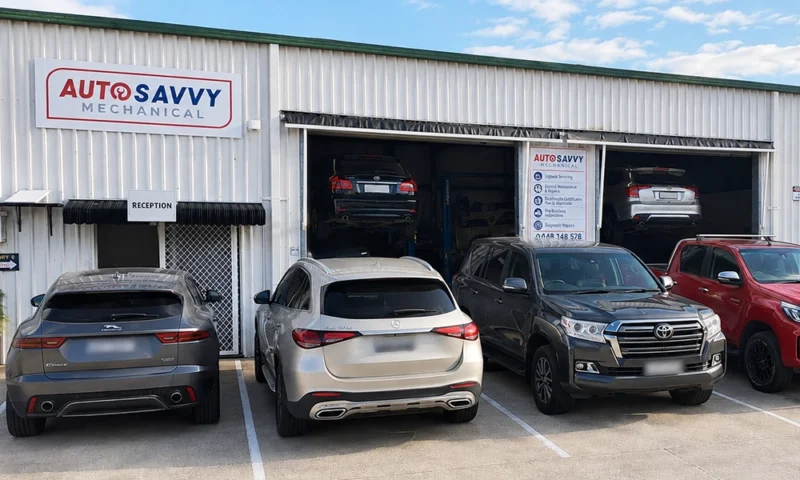
At AutoSavvy Mechanical, the focus is on treating every vehicle like it’s our own: checking it properly, explaining findings in plain language and helping you prioritise work according to safety, reliability and budget. That means you can make decisions with confidence, whether your car needs routine logbook servicing or a more complex repair.
The best time to deal with a vehicle concern is usually before it changes your plans. Keeping a regular service routine and acting on genuine repair needs gives you a safer car, a clearer picture of its condition and more confidence every time you turn the key.
by Jeremy Bycroft
Share
Share
Leave A Comment
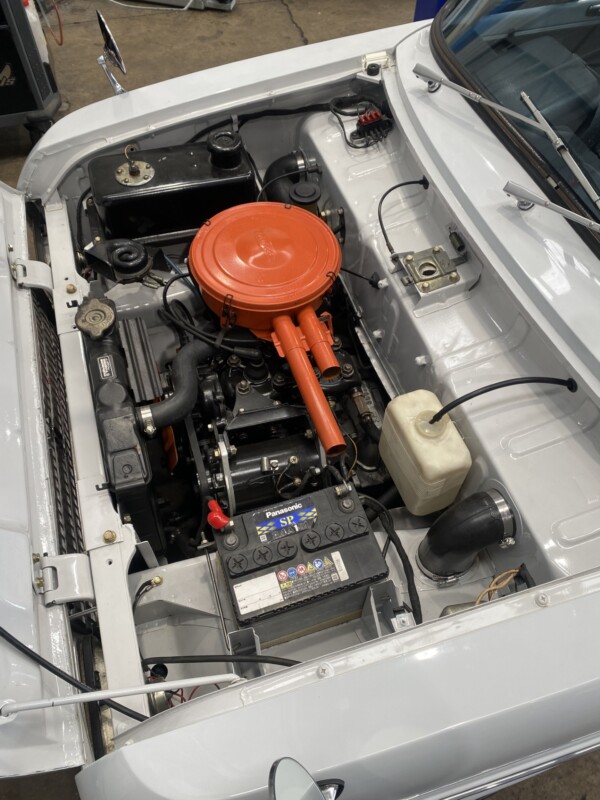
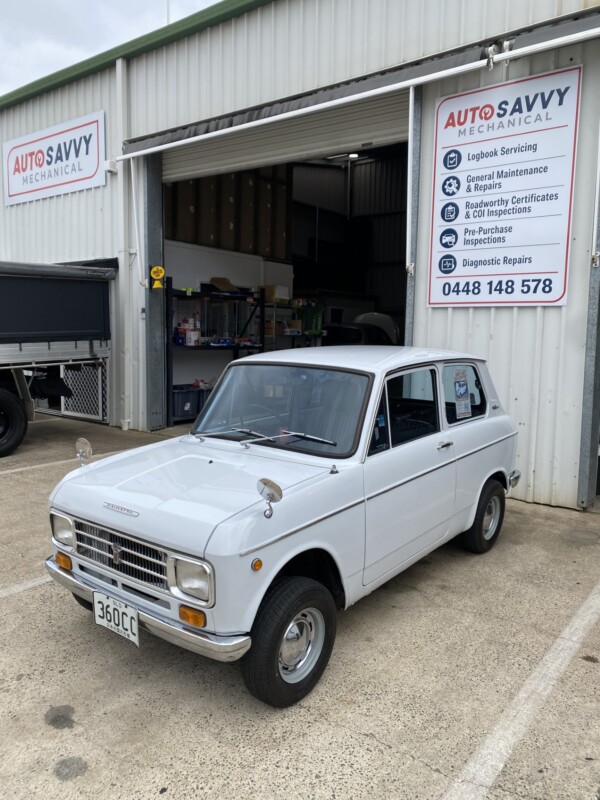
Take a step back in time with this rare 1960s Daihatsu Fellow. With its tiny 356cc two-stroke engine, four-speed manual gearbox and rear-wheel-drive layout, this remarkable little car is a wonderful example of simple engineering, careful ownership and the longevity of a well-maintained classic.
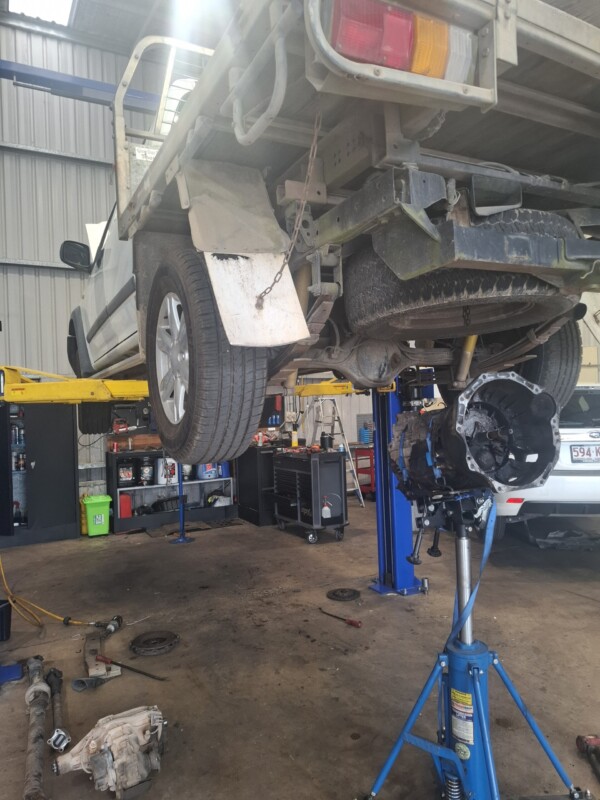
A 2010 Isuzu D-Max arrived at Autosavvy Mechanical with a failed clutch. After battling seized bolts and a bent pin, we removed the clutch, machined the flywheel and prepared the vehicle for its new clutch assembly.
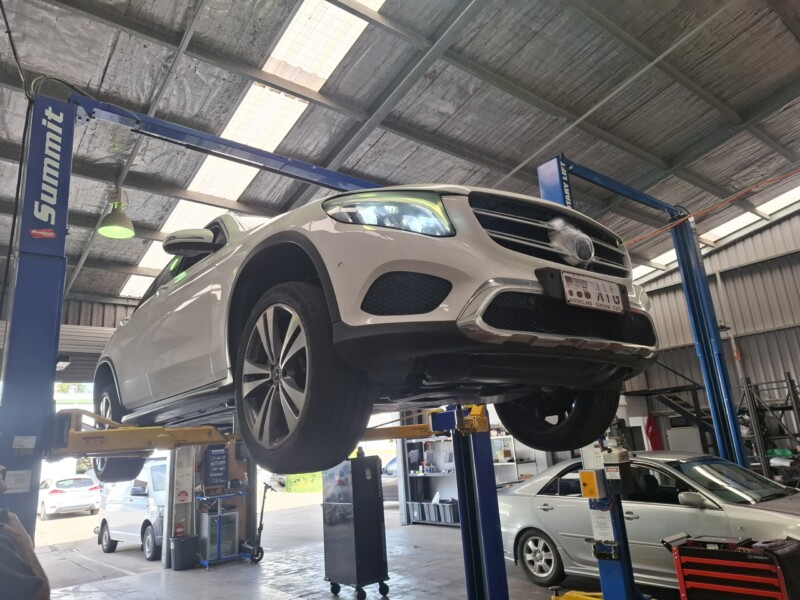
An AutoSavvy service is more than an oil and filter change. Find out how we inspect, report and prioritise the condition of your vehicle to help keep it safe and reliable.
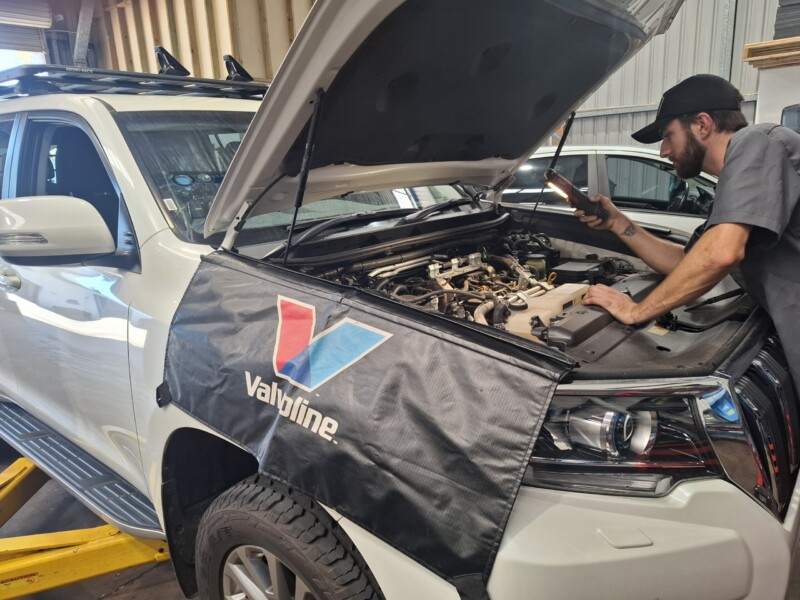
A family road trip should be about making memories — not sitting beside the highway waiting for a tow truck. Before heading away, discover the important checks that can help ensure your family car is ready for the journey.