

A 4WD mechanic Noosa drivers can rely on needs to understand more than routine servicing. Around Noosa, a four-wheel drive may spend Monday towing tools, Friday carrying the family, and the weekend on a beach access track or heading inland. That mix of work, touring and off-road use places different demands on the engine, suspension, brakes and driveline than ordinary suburban driving.
Looking after a 4WD properly is not about fitting parts for the sake of it. It is about understanding how the vehicle is used, finding issues before they become expensive, and completing repairs to a standard that keeps it safe and dependable wherever it needs to go.
What a 4WD mechanic in Noosa should check
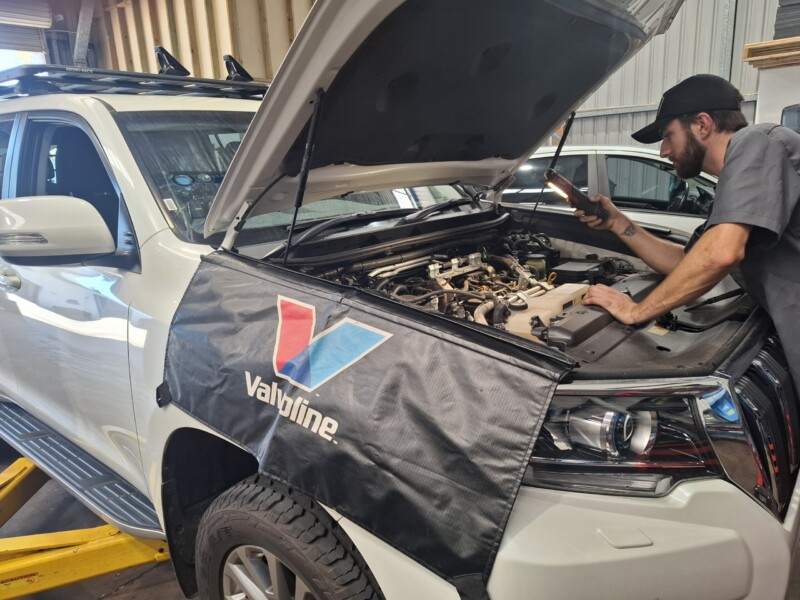
A good 4WD service starts with the same basics as any vehicle: correct manufacturer-specification oil and filters, brake condition, tyre wear, fluid levels, battery health and a clear review of any warning lights or reported concerns. But a capable 4WD inspection goes further, particularly where the vehicle tows, carries loads or sees sand, dirt and corrugations.
The driveline deserves close attention. Differentials, transfer cases, universal joints, CV joints and wheel bearings all work harder when a vehicle is driven off-road, tows a trailer or regularly operates at higher weights. Fluid condition can reveal contamination or wear, while noises, vibration and driveline clunks should be investigated rather than dismissed as normal 4WD behaviour.
Suspension is another common trouble spot. Worn bushes, leaking shock absorbers, tired springs and loose steering components can make a vehicle feel unsettled, increase tyre wear and affect braking performance. On a loaded ute or wagon, the problem may only become obvious when the vehicle is towing or travelling at highway speed. Accurate diagnosis matters because replacing parts without identifying the underlying cause can waste time and money.
A thorough workshop will also check for underbody damage, loose protection plates, fluid leaks and signs of sand or mud buildup. Saltwater exposure from beach driving can accelerate corrosion, especially when sand and moisture remain trapped around the chassis, brakes and electrical connections.
Beach driving creates its own maintenance needs
Noosa and the Sunshine Coast offer plenty of reasons to own a 4WD, but sand driving is not maintenance-free motoring. Soft sand makes the engine, transmission and driveline work harder, while salt spray and wet sand can affect components long after the trip is over.
After beach driving, a careful rinse underneath the vehicle is worthwhile. Pay attention to the chassis rails, wheel arches, suspension components, brake areas and recovery points. Cleaning the visible panels is not enough if saltwater and sand are left in places you cannot easily see. Avoid forcing high-pressure water directly into seals, bearings and electrical connectors, as this can do more harm than good.
Tyres also need attention. Reducing pressures for sand can improve traction and reduce strain on the vehicle, but they must be reinflated before returning to sealed roads. Driving at road speeds with low tyre pressures can create heat, damage the tyre and compromise handling. It is sensible to carry a reliable compressor, an accurate pressure gauge and recovery equipment suited to the vehicle and conditions.
If your 4WD has been through saltwater, deep mud or water crossings, tell your mechanic at the next service. That information helps determine whether differential oils, wheel bearings, brakes or electrical connections need closer inspection. The right service interval depends on how and where the vehicle is driven, not simply the kilometres on the odometer.
Don’t ignore changes in how your 4WD feels
Most serious mechanical issues give early warning signs. A vibration through the steering wheel, a clunk when changing gears, a squeal under braking or a new humming noise at speed should be checked before a long trip. These symptoms can come from many sources, from tyres and wheel bearings to brakes, suspension or driveline components, so guessing is rarely the cheapest option.
Warning lights should receive the same attention. Modern 4WDs use electronic systems to manage engine performance, traction control, stability control and emissions. A dashboard warning light does not always mean the vehicle is unsafe to drive immediately, but it does mean the system has recorded a fault that needs proper diagnostics. Clearing a code without identifying why it appeared can leave the real problem unresolved.
For owners who tow caravans, boats or work trailers, pay particular attention to braking feel, engine temperature, transmission performance and rear suspension height. Towing exposes weaknesses that may not show up on a short local run. If the vehicle sags at the rear, wanders on the road, brakes unevenly or struggles more than usual, have it assessed before the next trip.
Modifications need practical, compliant advice
Many Noosa 4WD owners add suspension lifts, larger tyres, bullbars, roof racks, drawers, canopies or towing accessories. These upgrades can be useful when they suit the vehicle’s job, but every modification involves trade-offs. Extra weight may affect braking, steering, ride quality, payload and fuel use. A lift can change suspension geometry, while larger tyres can affect speedometer accuracy and clearance.
The best approach is to plan modifications around how you genuinely use the vehicle. A family wagon that occasionally visits the beach needs something different from a work ute carrying equipment every day, or a touring 4WD set up for extended remote travel. Quality parts and correct installation are important, but so is ensuring the vehicle remains safe and compliant for Queensland roads.
Before adding accessories, consider the total load rather than each item in isolation. Bullbar, winch, dual batteries, fridge, drawers, recovery gear, roof load, passengers and tow-ball weight can add up quickly. Staying within gross vehicle mass, axle ratings and tow-ball limits protects both the vehicle and the people in it.
Why accurate diagnostics save 4WD owners money
A 4WD can develop a fault that sounds straightforward but has several possible causes. For example, poor acceleration might relate to an air leak, fuel system issue, sensor fault, blocked filter, turbo problem or an engine management concern. Replacing the most obvious part first may not fix it.
That is why diagnostic equipment and hands-on experience matter. A proper assessment combines scan-tool data with a physical inspection, road testing where appropriate and an understanding of the vehicle’s service history. The aim is to identify the cause, explain the recommended repair clearly and give you a realistic picture of what needs doing now versus what can be monitored.
Transparent advice is particularly valuable for older 4WDs. Some repairs are essential for safety or reliability; others may be preventative work worth planning for before a major trip. You should not be pushed into unnecessary work, but you also deserve to know when delaying a repair could lead to a bigger bill or leave you stranded.
Keep servicing aligned with the way you drive
Following the manufacturer’s logbook schedule is a sound starting point and can help protect new-car warranty coverage when completed to the correct specifications. However, vehicles that tow frequently, operate on dusty roads, spend time in sand or do repeated short trips may need additional attention between standard services.
Dust can block air filters sooner, heavy loads can wear brakes and suspension faster, and water or contaminated oils can affect driveline components. There is no single interval that suits every 4WD. Be honest with your mechanic about towing, off-road use and the distances you travel, because that is what allows servicing to match real conditions.
At AutoSavvy Mechanical, the focus is on treating every vehicle like it’s our own: inspecting it carefully, explaining concerns in plain language and completing the work needed to get you back on the road with confidence. Whether your 4WD is a family tourer, a hard-working ute or a vehicle prepared for weekend escapes, dependable maintenance gives you more freedom to use it properly.
Before your next beach run, towing trip or drive beyond the bitumen, take a moment to listen to the vehicle and check the simple things. A timely inspection is often the difference between a good trip and an avoidable problem on the side of the road.
by Jeremy Bycroft
Share
Share
Leave A Comment
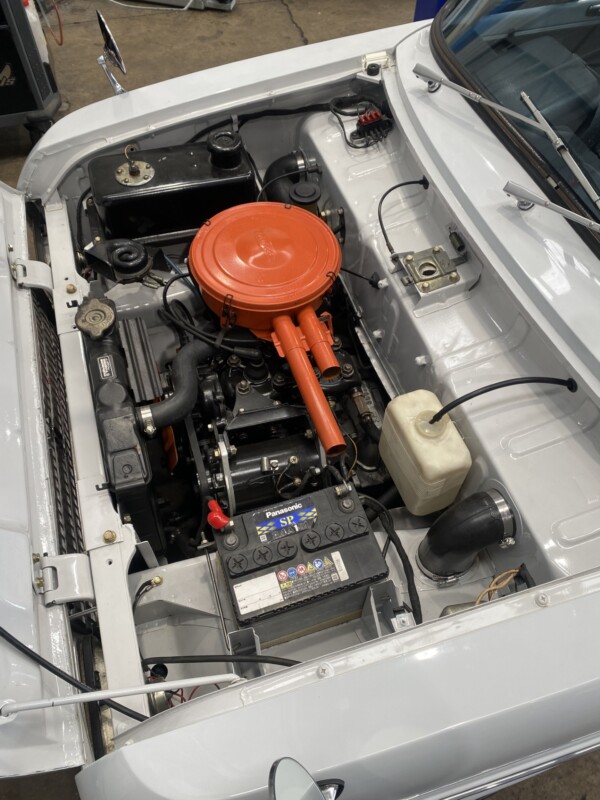
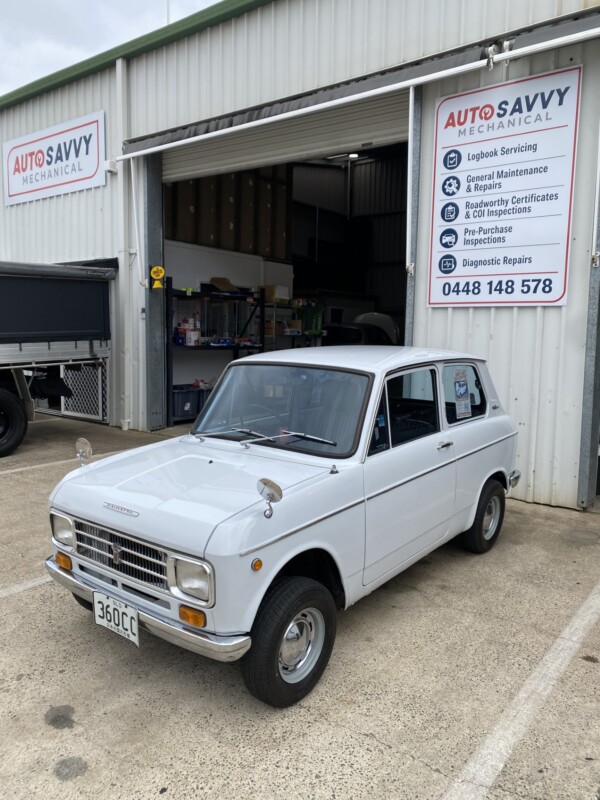
Take a step back in time with this rare 1960s Daihatsu Fellow. With its tiny 356cc two-stroke engine, four-speed manual gearbox and rear-wheel-drive layout, this remarkable little car is a wonderful example of simple engineering, careful ownership and the longevity of a well-maintained classic.
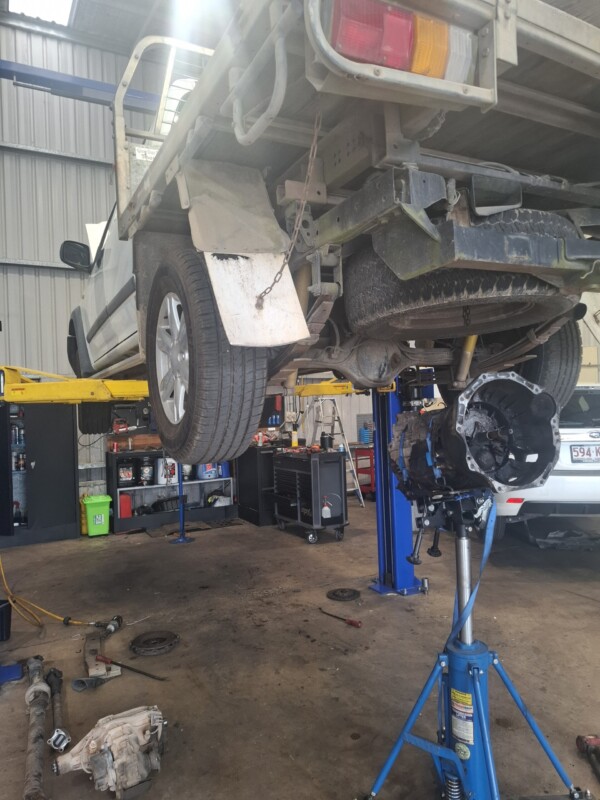
A 2010 Isuzu D-Max arrived at Autosavvy Mechanical with a failed clutch. After battling seized bolts and a bent pin, we removed the clutch, machined the flywheel and prepared the vehicle for its new clutch assembly.
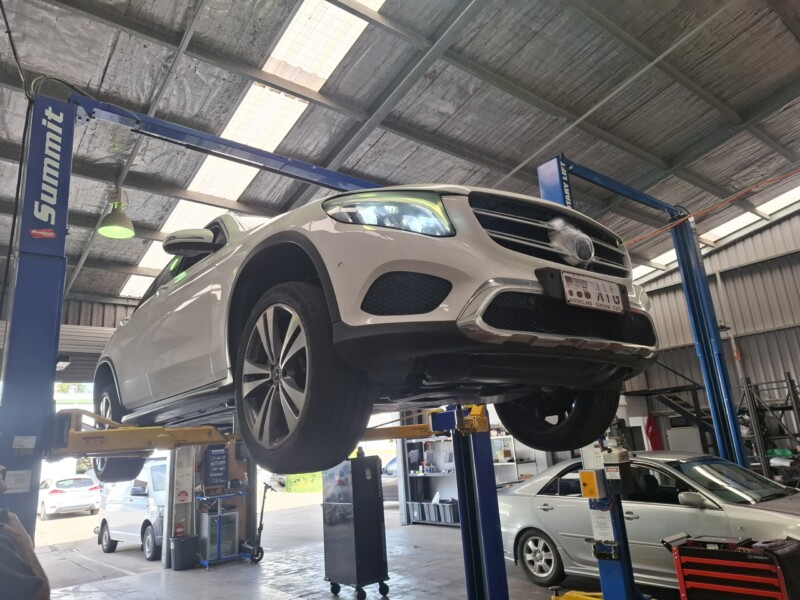
An AutoSavvy service is more than an oil and filter change. Find out how we inspect, report and prioritise the condition of your vehicle to help keep it safe and reliable.
A family road trip should be about making memories — not sitting beside the highway waiting for a tow truck. Before heading away, discover the important checks that can help ensure your family car is ready for the journey.