
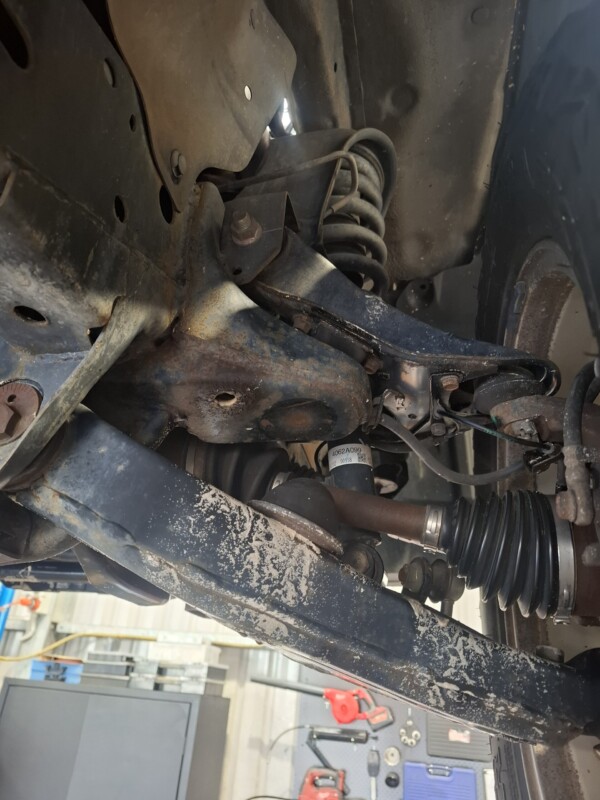
A car that pulls slightly left, clunks over a speed hump or feels vague through a roundabout can be easy to live with – until it is not. The importance of suspension bushes, control arms and steering components comes down to one simple job: keeping your tyres in the right place and your vehicle responding predictably when you need it to.
For families on the school run, tradies carrying tools, 4WD owners heading away for the weekend and visitors travelling the Sunshine Coast, these parts affect far more than ride comfort. They influence braking stability, tyre wear, steering control and the confidence you feel behind the wheel.
How suspension bushes, control arms and steering components work together
Your suspension is not just springs and shock absorbers. It is a connected system designed to let each wheel move over bumps while keeping the vehicle stable, aligned and controllable. Suspension bushes, control arms and steering components are key links in that system.
Bushes are usually rubber or polyurethane mounts fitted between moving suspension parts and the vehicle body or subframe. They absorb vibration, reduce road noise and allow a measured amount of movement. That movement is deliberate. A vehicle needs some compliance over rough roads, but not so much that the wheel angle changes unpredictably.
Control arms connect the wheel assembly to the chassis. They guide the wheel through its travel and help hold alignment angles such as camber and caster within specification. Most control arms use bushes at their inner mounting points and ball joints at the outer end, so wear in either area can affect how the vehicle tracks and handles.
Steering components translate your input at the steering wheel into movement at the tyres. Depending on the vehicle, this includes the steering rack, tie rods, tie-rod ends, steering column joints and associated mounts. When these parts are tight and in good condition, the vehicle responds cleanly and accurately. When there is excess play, the steering can feel loose, delayed or unsettled.
Why small amounts of wear can become a bigger problem
Suspension and steering parts rarely fail without warning. More often, rubber bushes soften and crack over time, ball joints develop play, or tie-rod ends wear internally. Heat, age, potholes, kerb strikes, corrugated roads, heavy loads and salty coastal air can all speed up the process.
At first, the only clue may be a dull knock on a rough Noosa back street or a slight shudder under brakes. Because the vehicle still drives, it is tempting to put the repair off. The problem is that worn components can place extra load on surrounding parts and allow wheel alignment to move out of specification.
That can quickly turn a relatively contained repair into premature tyre replacement, uneven brake wear or damage to other suspension components. On a work ute or loaded van, the effect can be more noticeable because the vehicle is already carrying greater weight. On a 4WD, lifted suspension, larger tyres and regular off-road use can make correct component condition and alignment even more critical.
The safety benefits you can feel from the driver’s seat
A sound suspension and steering system helps the vehicle stay composed when conditions are less than ideal. Think of braking hard when traffic slows suddenly on the Bruce Highway, avoiding a hazard on a wet road, or negotiating a tight roundabout with passengers on board. In each case, the tyres need to remain firmly planted and pointed where you intend.
Worn control arm bushes may let the wheel shift backwards or sideways under braking. This can make the vehicle wander, pull or feel unstable. Excessive play in a steering joint can create a delay between turning the wheel and the tyres responding. A worn ball joint can affect wheel position and, in severe cases, become a serious safety risk.
Not every vibration or steering concern is caused by bushes, control arms or steering parts. Tyre condition, wheel balance, brake issues, shock absorbers and wheel alignment can produce similar symptoms. That is why a proper inspection matters. Replacing parts based on a guess can cost more and still leave the real fault unresolved.
Warning signs worth booking in for
A qualified inspection is worthwhile if you notice any ongoing change in how your vehicle drives. Common signs include:
- Clunking, creaking or knocking over bumps, driveways or speed humps
- A loose steering wheel, wandering on straight roads or frequent steering corrections
- Pulling or instability under braking
- Uneven or unusually fast tyre wear
- Vibration through the steering wheel, particularly at speed
- A vehicle that sits or feels unsettled after a pothole or kerb impact
These symptoms do not automatically mean a major repair is needed. Sometimes the cause is a minor worn bush or an alignment adjustment. Other times, several parts have aged together and need attention as a package. The right approach depends on the vehicle, its kilometres, how it is used and what an inspection finds.
Rubber or polyurethane bushes: choosing the right fit
For most passenger vehicles, quality rubber bushes are the best choice. They are engineered to provide a balance of comfort, quiet operation and controlled movement. They suit daily driving, family vehicles and most standard work vehicles.
Polyurethane bushes can last well in some high-load or modified applications, and they may provide a firmer, more direct feel. The trade-off is often more vibration and noise through the cabin. They can also require correct fitting and lubrication to prevent squeaks or premature wear. Firmer is not always better, especially for a vehicle used every day around town.
The same principle applies to control arms. In some cases, replacing individual bushes or ball joints is practical. In others, a complete control arm provides better value because it includes new bushes and joints, reduces labour and restores the assembly as intended. An experienced mechanic should explain which option suits your vehicle and why, rather than treating every repair the same.
Alignment is part of doing the job properly
Wheel alignment is often needed after replacing steering or suspension components. New parts remove the unwanted movement that may have been masking an alignment issue, and the vehicle needs to be set back to the manufacturer’s specifications where adjustment is available.
Alignment is not simply about making the steering wheel sit straight. Correct camber, caster and toe settings help the vehicle track properly, return to centre after turns and use its tyres evenly. For a 4WD or modified vehicle, the correct settings may depend on ride height, tyre size and intended use.
It is also worth remembering that an alignment cannot repair worn parts. If bushes, ball joints or tie-rod ends have excessive movement, settings can change as the vehicle travels down the road. The worn item should be repaired first, then the alignment completed.
A practical inspection saves guesswork
During a suspension and steering inspection, a technician checks for play, cracked or separated bushes, leaking components, damaged boots, loose mounts and tyre-wear patterns. They also road-test the vehicle where appropriate, because some faults are easier to identify while the vehicle is under normal driving load.
At AutoSavvy Mechanical, the aim is to explain what is worn, how urgent it is and what can reasonably wait. That means clear advice on the safety implications, transparent pricing and repairs that suit how you use your vehicle. Whether it is a family SUV, a commercial van or a hard-working ute, the job is to get you back on the road with confidence.
If your car has started feeling different, do not wait for a roadside failure or a set of tyres to wear out early. A straightforward suspension and steering check can give you a clear answer and help keep every trip around the Sunshine Coast safe, comfortable and predictable.
by Jeremy Bycroft
Share
Share
Leave A Comment
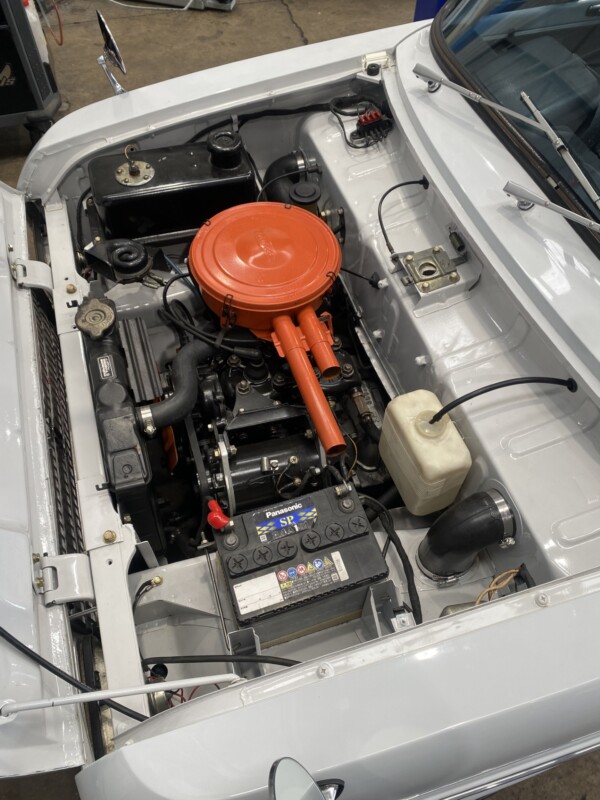
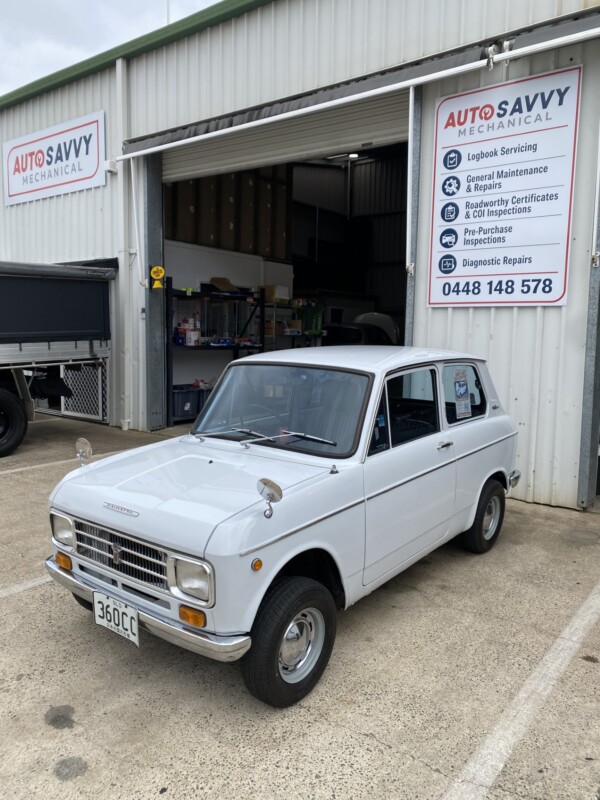
Take a step back in time with this rare 1960s Daihatsu Fellow. With its tiny 356cc two-stroke engine, four-speed manual gearbox and rear-wheel-drive layout, this remarkable little car is a wonderful example of simple engineering, careful ownership and the longevity of a well-maintained classic.
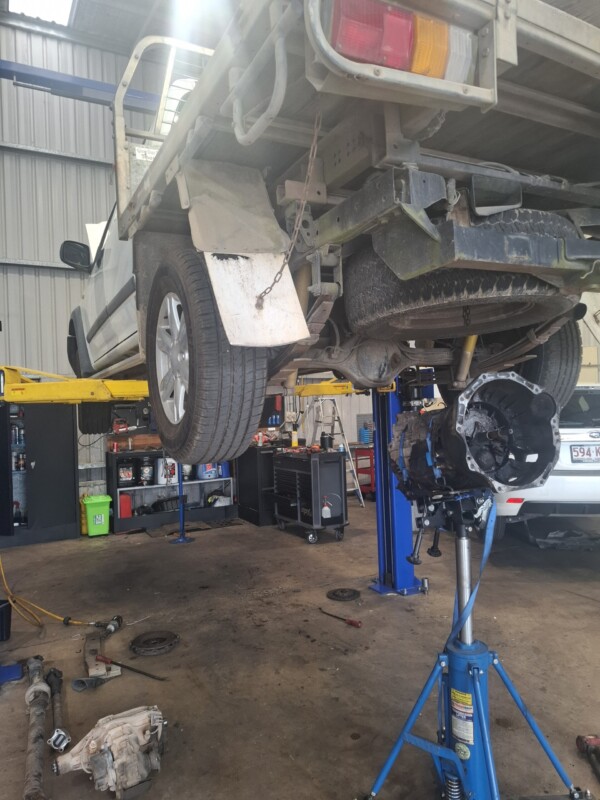
A 2010 Isuzu D-Max arrived at Autosavvy Mechanical with a failed clutch. After battling seized bolts and a bent pin, we removed the clutch, machined the flywheel and prepared the vehicle for its new clutch assembly.
An AutoSavvy service is more than an oil and filter change. Find out how we inspect, report and prioritise the condition of your vehicle to help keep it safe and reliable.
A family road trip should be about making memories — not sitting beside the highway waiting for a tow truck. Before heading away, discover the important checks that can help ensure your family car is ready for the journey.