

A missed service stamp can feel like a costly mistake when your car is still under warranty. So, does logbook servicing affect warranty cover? Yes – but not because you chose an independent workshop instead of a dealership. What matters is whether the vehicle has been serviced correctly, on time and in line with the manufacturer’s requirements.
For Noosa and Sunshine Coast drivers, this is good news. You can choose a capable local mechanic and still protect your new-car warranty, provided the work meets the required standard and the records are kept properly.
Does logbook servicing affect warranty in Australia?
A vehicle manufacturer cannot generally force you to have routine servicing completed at its dealership just to keep your warranty. Under Australian Consumer Law, you are free to use an independent workshop for scheduled servicing.
The important condition is that the service must follow the manufacturer’s schedule and specifications. That means using the correct oils, fluids, filters, parts and procedures for your particular make, model and engine. The technician also needs to identify and complete the listed service items at the required time or kilometre interval.
A proper logbook service is more than an oil change and a quick look under the bonnet. It is a scheduled inspection and maintenance process designed around the vehicle’s needs. Depending on the vehicle and its age, it may include brake checks, tyre condition, cooling-system inspection, battery testing, driveline fluids, safety checks, fault-code scanning and replacement of specified filters or spark plugs.
If a claim arises, the manufacturer may assess whether poor servicing, an unsuitable part or a missed maintenance item caused the fault. If there is a clear connection, that particular claim could be refused. But simply servicing your vehicle at a reputable independent workshop is not a valid reason to cancel the whole warranty.
What a warranty-safe logbook service should include
The safest approach is to book your vehicle in before its due date or kilometre limit, whichever comes first. Many modern vehicles calculate service reminders based on time as well as distance, so a low-kilometre car still needs attention.
Your workshop should work from the manufacturer’s service schedule for the exact vehicle. This matters because two similar-looking models can have different engines, transmission requirements, service intervals and fluid specifications. A diesel 4WD, hybrid family SUV and work ute should not be treated as though they all need the same service.
The service invoice should clearly show the date, odometer reading, work completed, oils and parts used, and any recommendations made. Your logbook should also be stamped or recorded where applicable. Digital service records are increasingly common, so some vehicles require the workshop to update an electronic service history rather than rely only on a paper book.
Keep the invoice with the logbook, even after the warranty ends. It can support a warranty claim, improve resale confidence and show a future buyer that the car has been looked after.
Genuine parts are not always required
Many owners assume genuine branded parts are the only warranty-safe choice. That is not necessarily the case. High-quality aftermarket parts can be suitable where they meet or exceed the required specifications and are appropriate for the vehicle.
The key issue is suitability, not the logo on the box. For example, the wrong engine oil, an incorrect transmission fluid or a poor-quality filter can create problems regardless of where the service was performed. A professional workshop will use products that match the manufacturer’s requirements and explain the options if there is a choice.
There are times when genuine parts may be the sensible option, particularly for specialised sensors, complex electronic components or parts where fitment and calibration are critical. Honest advice should account for the vehicle, the repair and the long-term outcome, not just the cheapest price on the day.
When servicing can affect a warranty claim
Warranty concerns usually arise when there is evidence that maintenance was missed or performed incorrectly. For instance, if an engine failure is linked to running low on oil after overdue servicing, or a transmission fault follows the use of an incorrect fluid, the manufacturer may challenge that claim.
That does not mean every unrelated warranty issue disappears. A faulty window switch, paint defect or infotainment problem is unlikely to be caused by where you had the oil changed. Manufacturers should assess the actual cause of the fault rather than make a blanket statement that an independent service voided the warranty.
It also helps to separate the manufacturer warranty from other products. Extended warranties, roadside assistance packages, prepaid servicing plans and finance-related protection plans can have their own terms and conditions. Read these carefully before assuming they operate in exactly the same way as the original new-car warranty.
Modifications can introduce another layer of complexity. Lift kits, engine tuning, non-standard wheels, electrical accessories and towing upgrades may affect a claim if they contribute to the problem. For 4WDs and work utes in particular, it pays to discuss planned modifications with a knowledgeable mechanic before fitting them.
Choosing an independent workshop with confidence
An independent workshop can offer personal service, transparent pricing and a practical alternative to dealership servicing. The right workshop should still have the equipment, information and experience to service modern vehicles properly.
Before booking, ask whether the workshop follows manufacturer service schedules and uses manufacturer-approved or specification-matched oils and parts. Check that you will receive a detailed tax invoice and that the logbook or digital service history will be updated. If your car has a warning light, unusual noise or intermittent fault, mention it when you book so there is time for proper diagnostic testing rather than guesswork.
A good workshop will also explain what is due now, what can wait and why. Not every recommendation is urgent, but safety-critical faults and manufacturer-specified maintenance should be clearly separated from optional work. That gives you the information to make a sensible decision without being pressured.
At AutoSavvy Mechanical, we service passenger vehicles, 4WDs, vans and utes to manufacturer specifications, with clear records and straightforward advice. Our aim is to help local drivers protect their warranty while keeping their vehicle safe and dependable on the road.
Your logbook servicing checklist
Before leaving the workshop, make sure you have the records needed to support your vehicle’s history:
- A detailed invoice showing the vehicle registration or VIN, date and odometer reading.
- A clear list of the service items completed, including oils, filters, fluids and parts.
- Confirmation that the paper logbook or digital service record has been updated.
- Written notes about any repairs recommended, safety concerns or items due at the next service.
It is also worth checking your service reminder after the appointment. If it has not been reset correctly, it can cause unnecessary confusion later. Keep all paperwork together in the glovebox, a home file or a digital folder that is easy to find if a warranty claim is needed.
If you have missed a service
Missing a service does not automatically mean your warranty has vanished. Book the vehicle in as soon as possible and be upfront about the timing. A mechanic can complete the required maintenance, inspect for concerns and advise whether any additional checks are sensible.
The longer a vehicle runs beyond its schedule, the greater the risk of wear, fluid deterioration and a difficult warranty conversation if something fails. This is especially relevant for vehicles that tow, carry heavy loads, travel on dusty roads or spend time in stop-start traffic. These conditions can be harder on oils, brakes, filters and driveline components than easy highway kilometres.
The best protection is simple: service your vehicle on schedule, use a workshop that follows the manufacturer’s requirements and keep clear documentation. That way, if a problem appears, you have a strong service history behind you and a trusted local team ready to help get you back on the road.
by Jeremy Bycroft
Share
Share
Leave A Comment
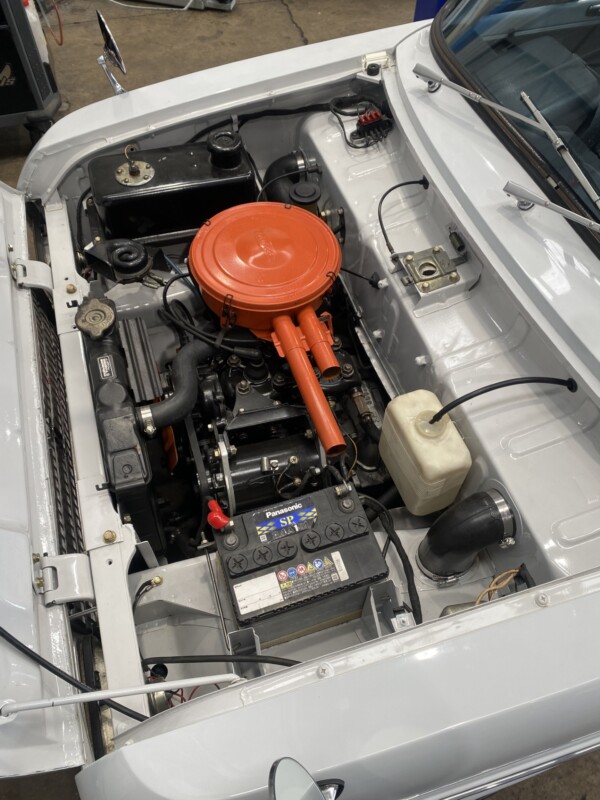
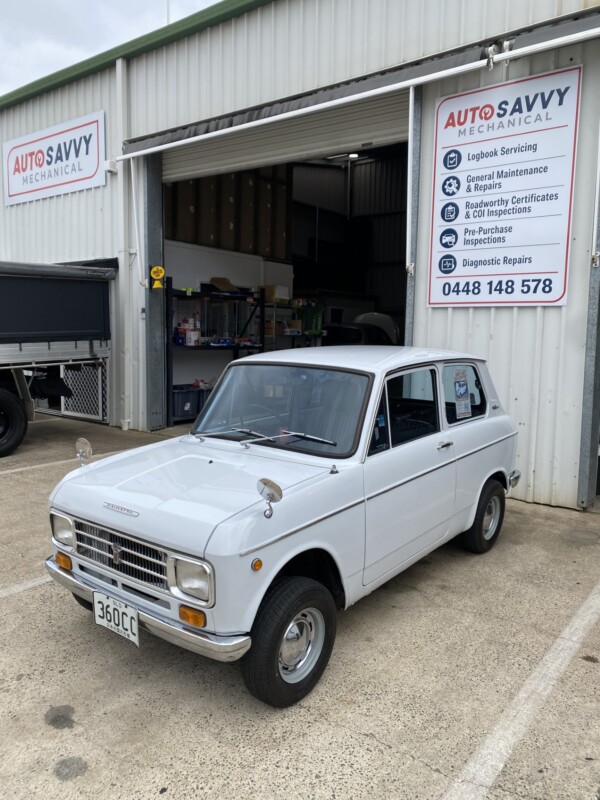
Take a step back in time with this rare 1960s Daihatsu Fellow. With its tiny 356cc two-stroke engine, four-speed manual gearbox and rear-wheel-drive layout, this remarkable little car is a wonderful example of simple engineering, careful ownership and the longevity of a well-maintained classic.
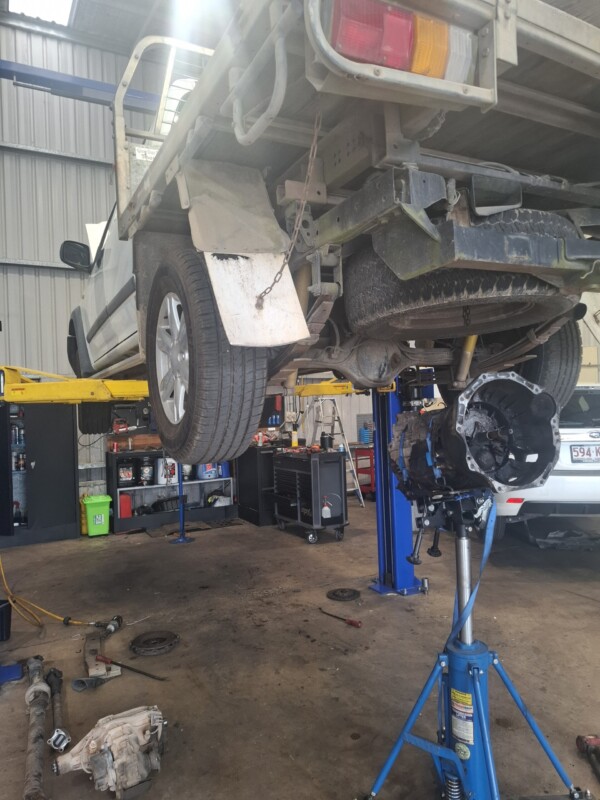
A 2010 Isuzu D-Max arrived at Autosavvy Mechanical with a failed clutch. After battling seized bolts and a bent pin, we removed the clutch, machined the flywheel and prepared the vehicle for its new clutch assembly.
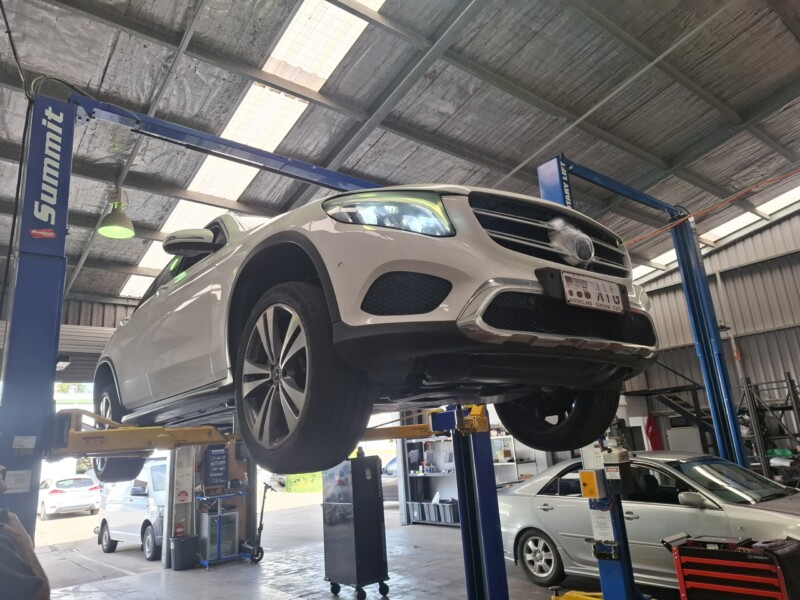
An AutoSavvy service is more than an oil and filter change. Find out how we inspect, report and prioritise the condition of your vehicle to help keep it safe and reliable.
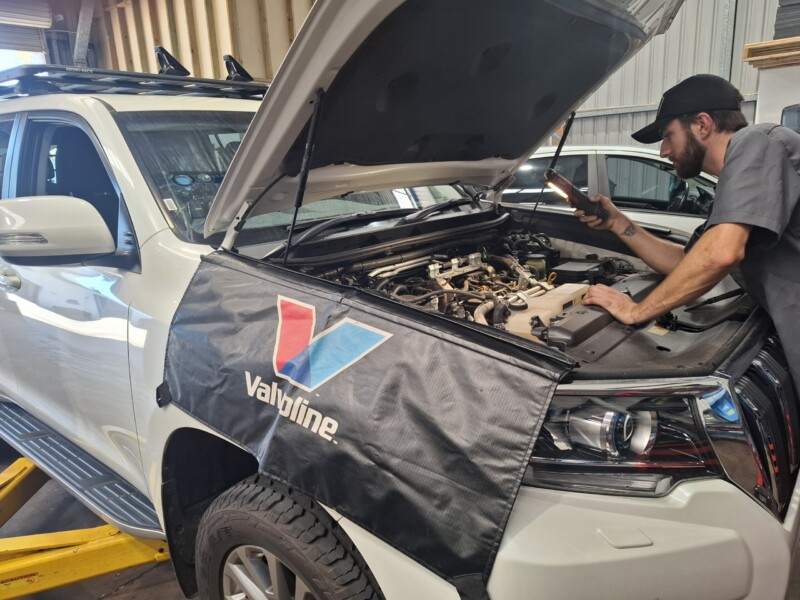
A family road trip should be about making memories — not sitting beside the highway waiting for a tow truck. Before heading away, discover the important checks that can help ensure your family car is ready for the journey.