
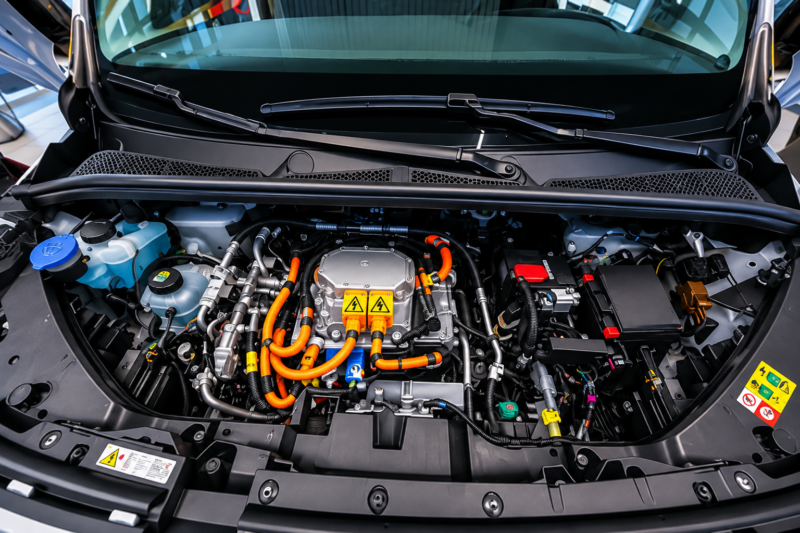
Why maintaining your EV’s cooling system is essential for battery health, reliability and long-term performance.
Electric vehicles are often described as requiring very little maintenance compared with traditional petrol and diesel vehicles. While it’s true that EVs have fewer moving parts and don’t require conventional engine servicing, there are still important maintenance requirements that owners shouldn’t overlook.
One of the most important is the vehicle’s cooling and thermal management system.
Unlike a conventional vehicle, where the cooling system is primarily responsible for maintaining engine temperature, an electric vehicle uses sophisticated thermal management technology to regulate the temperature of several critical components.
These include the high-voltage battery, electric drive motor, inverter and other electrical components.
And this is where regular cooling-system maintenance becomes particularly important.
Why Do Electric Vehicles Have Multiple Cooling Systems?
Many modern electric vehicles have more than one cooling circuit. Depending on the manufacturer and vehicle design, there may be separate circuits for:
- High-voltage battery: Maintains the battery within its preferred operating temperature range during driving, charging and rapid charging.
- Electric motor and inverter: Controls temperatures within the electric drive system and associated power electronics.
- Thermal management and cabin heating: Some vehicles use integrated heat pumps and sophisticated heating and cooling arrangements to manage cabin comfort and component temperatures.
These systems often use electric coolant pumps, electronically controlled valves, temperature sensors and specialised heat exchangers.
Some systems also work in conjunction with the vehicle’s air-conditioning refrigerant circuit.
The result is a much more sophisticated arrangement than the traditional cooling system found in a petrol or diesel vehicle.
What Happens When EV Coolant Deteriorates?
Like conventional engine coolant, EV coolant doesn’t necessarily maintain its original properties indefinitely.
Over time, coolant can deteriorate or become contaminated. Depending on the coolant chemistry and operating conditions, deposits, corrosion products and crystallised residues may develop.
These problems can potentially affect the narrow cooling passages, heat exchangers and components responsible for maintaining battery temperature.
Restricted coolant flow or reduced heat transfer can compromise the ability of the thermal management system to regulate temperatures correctly.
This is particularly important for the high-voltage battery.
Battery temperature management plays an important role in charging performance, operating efficiency and long-term battery durability.
An EV battery that repeatedly operates outside its preferred temperature range may experience unnecessary thermal stress and accelerated degradation.
Preventative maintenance is therefore an important part of protecting one of the most expensive components in an electric vehicle.
Why You Should Follow the Manufacturer’s Coolant Maintenance Schedule
Not all electric vehicles use the same cooling technology or coolant specifications.
Some manufacturers specify coolant replacement at particular time or kilometre intervals, while others require periodic inspections and condition checks.
Using the wrong coolant, mixing incompatible coolant types or carrying out an incorrect flushing procedure can potentially create further problems.
Modern EV cooling systems may also require specialist equipment and procedures to refill and bleed the system correctly.
This is why we recommend following the manufacturer’s maintenance schedule rather than assuming an EV’s coolant will last the lifetime of the vehicle.
EV Cooling System Maintenance at Autosavvy Mechanical
At Autosavvy Mechanical in Noosaville, we recognise that electric vehicles require a different approach to maintenance.
As EV ownership continues to grow, preventative servicing of battery cooling and thermal management systems will become increasingly important.
Our approach is to follow the vehicle manufacturer’s specifications and maintenance requirements.
Depending on the vehicle, this may include:
- Inspecting battery and powertrain cooling circuits.
- Checking coolant levels, condition and concentration.
- Identifying contamination, deposits or signs of crystallisation.
- Inspecting hoses, connections and cooling system components.
- Checking electric coolant pump operation.
- Assessing the operation of temperature control valves and related components.
- Carrying out manufacturer-specified coolant replacement or flushing procedures where required.
We believe preventative maintenance is always preferable to waiting for a warning light or an expensive component failure.
Don’t Overlook Your EV’s Cooling System
Electric vehicles may not need conventional engine oil changes, spark plugs or timing belts, but that doesn’t mean they are maintenance-free.
The cooling system plays a vital role in protecting the battery and electrical drive components.
Following the manufacturer’s recommended inspection and coolant maintenance schedule can help maintain reliable operation and protect the long-term investment in your vehicle.
Own an electric vehicle in Noosa, Noosaville or the surrounding area?
Talk to the team at Autosavvy Mechanical about EV servicing and manufacturer-recommended cooling system maintenance.
Autosavvy Mechanical – Professional Vehicle Servicing and Diagnostics in Noosaville.
by Jeremy Bycroft
Share
Share
Leave A Comment
Busy in Noosaville, Noosa Waters or Tewantin? AutoSavvy Mechanical makes car servicing easier with two free courtesy vehicles and a convenient vehicle pick-up and delivery service. Book your next service or repair with your local Noosaville mechanic.
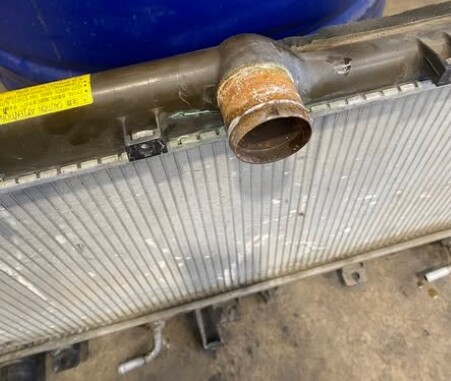
This Subaru Outback came into AutoSavvy Mechanical for a pre-trip inspection before its owner heads off to Uluru this weekend!