

A modern car can be incredibly sophisticated.
It may have multiple computers, sensors, turbochargers, electric cooling fans and complex engine management systems.
So when the temperature gauge suddenly rises or a warning message appears saying the engine is overheating, many drivers are surprised.
“Why would a modern car overheat?”
The simple answer is that modern engines may be technologically advanced, but they still produce a tremendous amount of heat.
And the cooling system still has one very important job:
Remove that heat before it damages the engine.
At AutoSavvy Mechanical in Noosaville, we see cooling system problems ranging from small coolant leaks through to failed water pumps, thermostats, radiators and more complex engine issues.
The important thing to understand is this:
An overheating problem is often not “just a radiator problem.”
Modern cooling systems are complex, and any number of components can cause an engine to run too hot.
Why modern engines can be less forgiving
Modern engines are designed to produce more power, better fuel economy and lower emissions.
Many engines are also more compact and operate at carefully controlled temperatures.
That means the cooling system needs to work properly.
A small coolant leak, sticking thermostat or failing water pump may eventually create a serious problem if ignored.
In some cases, an engine can overheat quickly.
And once an engine becomes severely overheated, expensive damage can occur.
Possible consequences can include:
- Damaged head gaskets
- Warped cylinder heads
- Cracked components
- Engine oil breakdown
- Damage to internal engine components
This is why an overheating warning should never be ignored.
1. Coolant leaks
One of the most common causes of an overheating engine is simply a loss of coolant.
Modern cooling systems contain a network of:
- Hoses
- Plastic fittings
- Radiators
- Expansion tanks
- Water pumps
- Thermostat housings
- Heater components
- Sensors
- Seals and gaskets
As vehicles age, these components can deteriorate.
A small coolant leak may not immediately leave a large puddle underneath the car.
Sometimes the coolant evaporates when it reaches a hot engine component.
Sometimes it leaks slowly enough that the driver only notices the coolant level gradually falling.
Common warning signs include:
- A sweet smell from the engine bay
- Low coolant level
- Coolant warning messages
- Visible staining or residue
- Steam from under the bonnet
- The temperature gauge rising
Coolant can be different colours depending on the type used, including pink, red, green or blue. But colour alone should not be used to identify a fluid or diagnose the problem.
2. Water pump failure
The water pump is responsible for circulating coolant through the engine and cooling system.
If coolant is not circulating correctly, heat can build rapidly.
A water pump can fail in several ways.
It may:
- Develop a coolant leak
- Suffer bearing failure
- Have an internal impeller problem
- Lose efficiency
- Fail suddenly
On some engines, the water pump is driven by a belt. On others, it may be driven differently or electronically controlled.
Because of this, diagnosing a water pump problem requires more than simply looking at the radiator.
3. A thermostat that is not opening correctly
The thermostat controls coolant flow as the engine warms up.
When everything is working properly, it helps the engine reach and maintain its intended operating temperature.
But if a thermostat sticks closed or does not open properly, hot coolant may not circulate through the radiator as intended.
The result can be overheating.
A thermostat problem can sometimes cause:
- Rapid temperature increase
- Uneven cooling system temperatures
- Heater performance changes
- An overheating warning
However, the thermostat should not simply be replaced based on guesswork.
A proper diagnosis is important because other cooling system faults can produce similar symptoms.
4. Radiator problems
The radiator is designed to transfer heat from the coolant into the surrounding air.
Problems can develop internally or externally.
Internally, the radiator may become restricted.
Externally, airflow can be reduced by dirt, debris or damage.
Other possible issues include:
- Coolant leaks
- Damaged fins
- Blocked passages
- Corrosion
- Failed radiator caps
A radiator is an important part of the cooling system, but replacing the radiator without identifying the real cause of the overheating problem can waste money.
The whole system needs to be considered.
5. Cooling fan problems
When a vehicle is moving, air passes through the radiator.
But when the vehicle is stationary or moving slowly, the cooling fans become particularly important.
A failed cooling fan may cause overheating in traffic while the vehicle appears normal at highway speeds.
Possible causes include:
- Failed fan motors
- Electrical faults
- Relays
- Wiring problems
- Sensors
- Control module faults
Modern vehicles often have computer-controlled cooling fans, which means diagnosis may involve both mechanical inspection and electronic testing.
6. Plastic cooling system components
One issue we increasingly see on modern vehicles is the use of plastic components in cooling systems.
Depending on the vehicle, these can include:
- Thermostat housings
- Coolant pipes
- Hose connections
- Expansion tanks
- Water pump components
Over time, repeated heating and cooling cycles can affect these components.
Plastic can become brittle.
Small cracks can develop.
Seals can deteriorate.
A vehicle may appear perfectly normal until the component finally fails.
This is one reason why inspecting the cooling system during routine servicing can be valuable.
7. Oil cooler problems
Some modern engines use oil coolers to help manage oil temperature.
Depending on the vehicle, oil coolers may interact with the cooling system.
A leaking or failing component in this area can create more complicated problems than a simple radiator leak.
That is why an accurate diagnosis matters.
The cooling system, lubrication system and engine management system may all need to be considered.
8. Internal engine problems
Unfortunately, not every overheating problem starts with a hose or water pump.
If an engine has been severely overheated, or if another internal fault exists, combustion gases may enter the cooling system.
Possible symptoms can include:
- Repeated overheating
- Loss of coolant
- Excessive pressure in the cooling system
- White exhaust smoke in some cases
- Contamination between oil and coolant in some circumstances
These symptoms do not automatically mean a head gasket has failed.
Further testing is required.
Jumping straight to an expensive conclusion without proper diagnosis is never the best approach.
What should you do if your car starts overheating?
If the temperature warning comes on or the temperature gauge begins climbing:
1. Reduce engine load and find a safe place to stop
Do not continue driving the vehicle if the engine is seriously overheating.
Find a safe place to stop as soon as practical.
2. Turn the engine off if the vehicle is severely overheating
Continuing to drive an overheating engine can turn a relatively simple repair into a major engine repair.
3. Do not open the radiator cap while the engine is hot
A pressurised cooling system can release extremely hot coolant and steam.
Allow the vehicle to cool before attempting any inspection.
4. Do not keep adding coolant and driving
If coolant is disappearing, there is a reason.
The problem needs to be identified.
Repeatedly topping up the system without repairing the fault can hide a developing problem.
5. Have the cooling system inspected
The goal is to identify the cause of the overheating rather than simply replacing parts.
At AutoSavvy Mechanical, diagnosis may involve a combination of visual inspection, pressure testing, checking coolant circulation, inspecting components and using appropriate diagnostic equipment.
Why proper diagnosis matters
Modern vehicles can be complicated.
A warning light or fault code is useful information, but it does not always tell the complete story.
For example, a vehicle may report a temperature-related fault.
That does not automatically mean the sensor itself is faulty.
The sensor may be accurately reporting a genuine overheating condition caused by another problem.
This is why a proper diagnosis involves asking:
Why did this happen?
Not simply:
What part can we replace?
AutoSavvy Mechanical combines hands-on mechanical experience with modern diagnostic equipment to investigate the cause of vehicle faults and explain the findings clearly.
Can regular servicing help prevent overheating?
Regular servicing cannot guarantee that a cooling system component will never fail.
But it can provide an opportunity to identify:
- Coolant leaks
- Deteriorating hoses
- Damaged components
- Low coolant levels
- Signs of previous overheating
- Other developing mechanical issues
This is particularly important before long trips, towing or heavy vehicle use.
A cooling system that appears to be working normally today may still have an early leak or deteriorating component that deserves attention.
Finding it early can be far better than discovering the problem on the side of the road.
Cooling system repairs in Noosa and Noosaville
If your car is overheating, losing coolant, showing a temperature warning or simply does not seem to be running at the correct temperature, it is worth having the problem inspected early.
At AutoSavvy Mechanical in Noosaville, we provide cooling system repairs, mechanical diagnostics and general vehicle servicing for passenger cars, 4WDs, vans and light commercial vehicles.
Our approach is straightforward:
Find the problem. Explain what we have found. Recommend the repair that is genuinely needed.
Whether the issue is a coolant leak, water pump, thermostat, radiator, cooling fan or another fault, the first step is an accurate diagnosis.
Don’t ignore an overheating warning. A relatively small cooling system problem can become a much more expensive repair if the engine is repeatedly allowed to overheat.
Book your vehicle with AutoSavvy Mechanical
If your vehicle is overheating or losing coolant, contact AutoSavvy Mechanical in Noosaville for professional cooling system diagnosis and repairs.
AutoSavvy Mechanical — car servicing, diagnostics, mechanical repairs and cooling system repairs for Noosa, Noosaville and the Sunshine Coast.
by Jeremy Bycroft
Share
Share
Leave A Comment
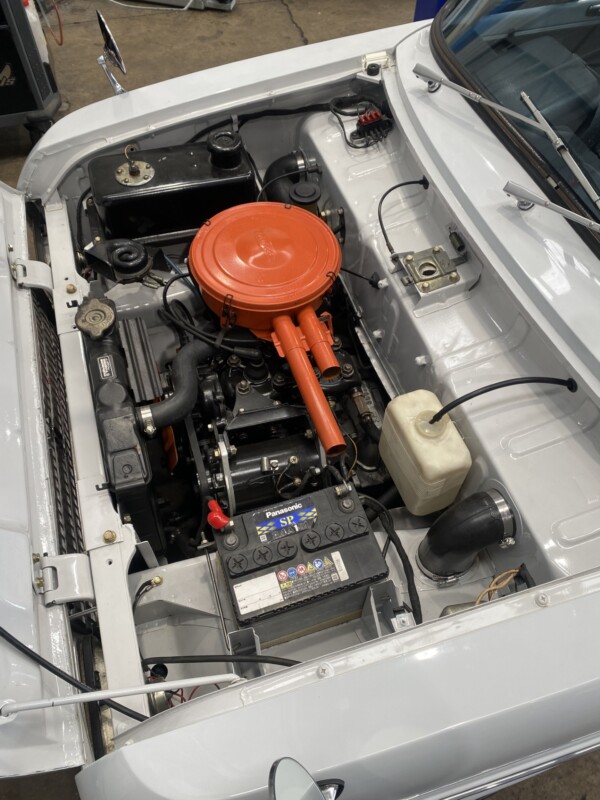
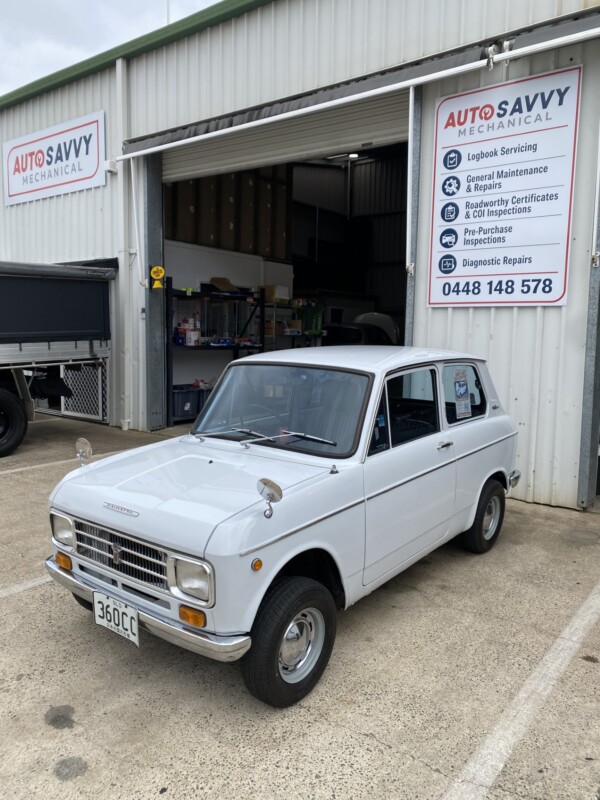
Take a step back in time with this rare 1960s Daihatsu Fellow. With its tiny 356cc two-stroke engine, four-speed manual gearbox and rear-wheel-drive layout, this remarkable little car is a wonderful example of simple engineering, careful ownership and the longevity of a well-maintained classic.
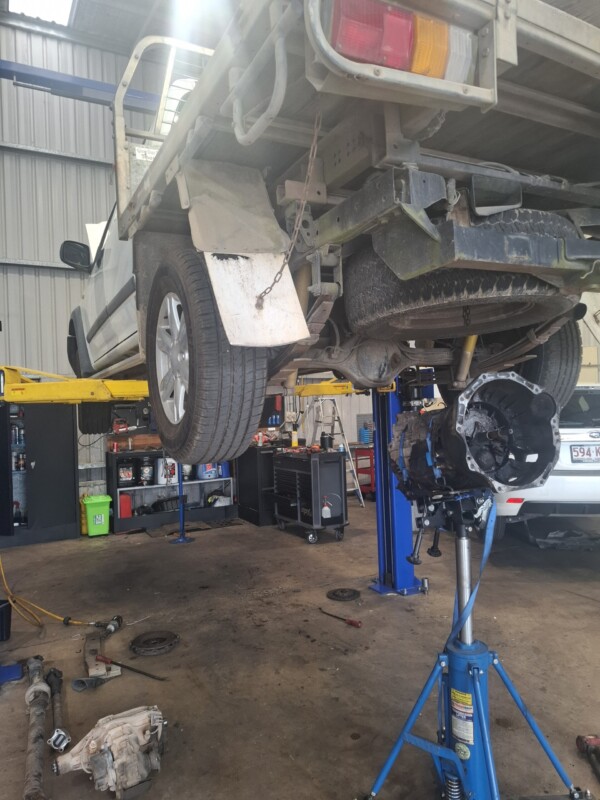
A 2010 Isuzu D-Max arrived at Autosavvy Mechanical with a failed clutch. After battling seized bolts and a bent pin, we removed the clutch, machined the flywheel and prepared the vehicle for its new clutch assembly.
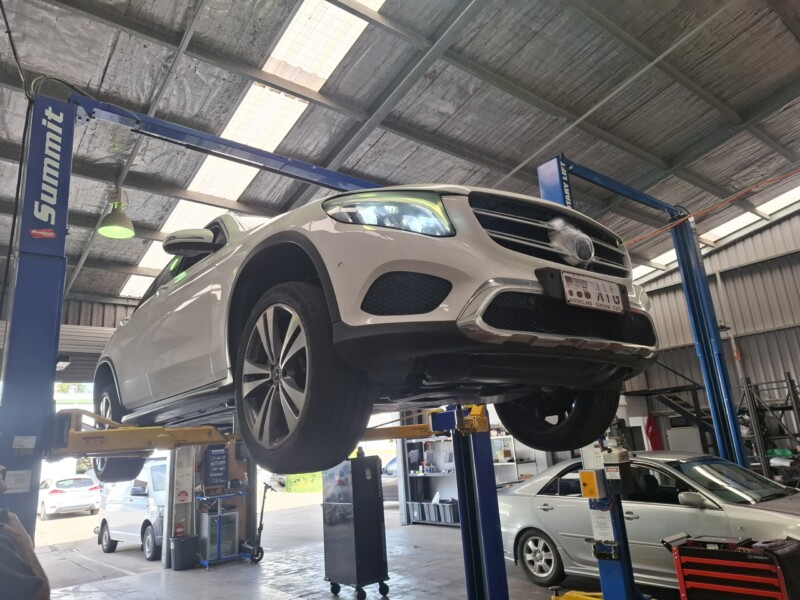
An AutoSavvy service is more than an oil and filter change. Find out how we inspect, report and prioritise the condition of your vehicle to help keep it safe and reliable.
A family road trip should be about making memories — not sitting beside the highway waiting for a tow truck. Before heading away, discover the important checks that can help ensure your family car is ready for the journey.