
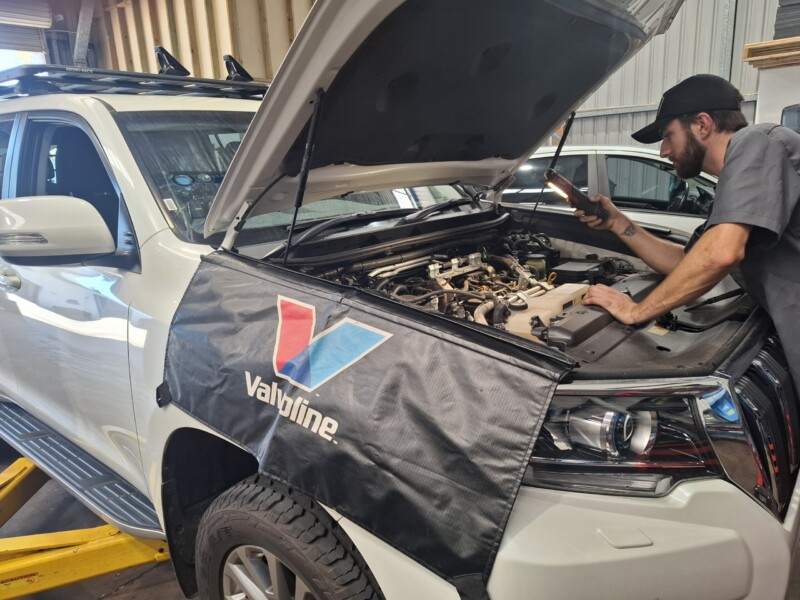
Before You Pack the Car, Make Sure Your Car Is Ready for the Journey
A family holiday is something to look forward to.
The accommodation is booked. The kids are excited. The bags are starting to pile up near the door. Before long, the car will be loaded with luggage, snacks, beach gear and everything else that somehow seems essential for a family holiday.
But before you pull out of the driveway, there is one important question worth asking:
Is your family car actually ready for the trip?
A vehicle that seems perfectly fine during short trips around Noosa or Noosaville can be placed under very different conditions during a holiday road trip. Hours of highway driving, summer temperatures, heavy traffic, extra passengers and a fully loaded vehicle can all place additional demands on your car.
That is why a pre-trip vehicle inspection can be a very sensible part of preparing for a family holiday.
A Holiday Road Trip Can Put Your Car Under More Pressure
Think about how your car is normally used.
Perhaps most of its trips involve driving to work, school, the shops or around the local area. The engine may only be running for relatively short periods, and the vehicle may not regularly be carrying a full load.
A holiday road trip can be very different.
Your car may be:
- carrying more passengers
- loaded with luggage and holiday equipment
- travelling for hours at highway speeds
- sitting in holiday traffic
- operating in hot weather
- travelling through unfamiliar areas
- towing a trailer, camper or other equipment
A small issue that has not caused a noticeable problem around town can sometimes become much more obvious when the vehicle is working harder.
And unfortunately, a breakdown has a habit of occurring at the worst possible time.
1. Are Your Tyres Ready for the Journey?
Your tyres are one of the most important things to check before heading away.
They are the only part of the vehicle that is actually in contact with the road, yet they are often overlooked until there is an obvious problem.
Before a holiday trip, tyres should be checked for:
- adequate tread
- damage or unusual wear
- cracks or bulges
- correct tyre pressures
- objects such as screws or nails
- the condition and pressure of the spare tyre
It is particularly important to remember that a fully loaded family car may be carrying significantly more weight than usual.
The correct tyre pressures for your vehicle can normally be found on the tyre placard or in the owner’s handbook.
And don’t forget the spare.
A perfectly good spare tyre is not much use if it has been sitting underneath the vehicle or in the boot for years and is flat when you finally need it.
2. Are Your Brakes Ready for Extra Passengers and Highway Driving?
Your braking system is another area that should not be ignored.
A loaded vehicle travelling at highway speeds has more weight and momentum to control. Your brakes need to be working correctly and consistently.
If you have noticed any of the following, it is worth having the vehicle inspected before you travel:
- squeaking or grinding noises
- vibration when braking
- the vehicle pulling to one side
- a soft or unusual brake pedal
- increased stopping distance
- warning lights
Sometimes brake problems develop gradually, which means drivers can become accustomed to small changes without immediately realising something is wrong.
A professional inspection can help identify brake wear or developing issues before you are hundreds of kilometres from home.
3. Can Your Cooling System Handle a Long, Hot Drive?
This is particularly important for Queensland drivers.
Your cooling system works hard to maintain the correct engine operating temperature. During a long trip, especially in hot weather or slow-moving traffic, the system can be placed under considerably more demand.
A cooling system check may include looking for issues involving:
- coolant levels
- coolant leaks
- radiator condition
- hoses
- hose connections
- water pump concerns
- drive belts
- cooling fans
- signs of previous overheating
A small coolant leak may not always cause an immediate problem during short local trips.
But over a long journey, coolant loss can become more significant. If an engine overheats, continuing to drive can potentially turn a relatively minor problem into a much more expensive repair.
If your vehicle has been losing coolant, running hotter than usual or showing any signs of overheating, it is definitely worth having it checked before a major trip.
4. Is Your Battery Ready?
A weak battery does not always give plenty of warning.
Your vehicle may start normally one day and struggle the next.
Long trips and holiday travel can also mean more frequent use of electrical accessories, including air conditioning systems, charging devices, entertainment systems and other equipment.
Warning signs of a possible battery or charging issue can include:
- slow engine cranking
- intermittent starting problems
- warning lights
- electrical accessories behaving unusually
- lights appearing dim
- clocks or radio settings resetting
It is worth remembering that the battery is only one part of the system.
The charging system also needs to be operating correctly. If there is a concern about the battery, a proper inspection can help determine whether the issue is the battery itself or another part of the electrical system.
5. Check for Oil and Fluid Leaks
Have you noticed a mark on the driveway?
Oil or coolant underneath the vehicle should never simply be ignored.
A small leak today can become a larger problem tomorrow.
Before travelling, it is important to make sure the vehicle has the correct levels of the appropriate fluids, including those required for the engine, cooling and braking systems.
But simply topping up a fluid does not necessarily solve the problem.
If a vehicle is losing fluid, it is important to find out why.
A proper inspection can help identify the source of a leak and determine whether it needs attention before you travel.
6. Don’t Forget Your Lights, Wipers and Windscreen
Holiday travel does not always happen in perfect weather.
You may encounter heavy rain, early morning fog, dust, insects on the windscreen or night driving on unfamiliar roads.
Before leaving, check that your:
- headlights work correctly
- high beams operate
- indicators are working
- brake lights are operating
- reverse lights are functioning
- windscreen wipers are effective
- washer system is working
Wiper blades that streak, shudder or fail to clear the windscreen properly may not seem important on a sunny day.
They can feel very important when you are driving through heavy rain.
7. Steering and Suspension Matter More Than You May Think
Your vehicle should feel stable, predictable and comfortable on the road.
If it feels different, don’t simply assume that it is nothing.
Before travelling, it is worth having unusual symptoms investigated, including:
- vibration through the steering wheel
- pulling to one side
- clunking or knocking noises
- excessive bouncing
- unusual tyre wear
- a steering wheel that does not feel right
- the vehicle feeling unstable
These symptoms can have a number of possible causes, and an inspection can help identify what needs attention.
A family road trip is not the time to discover that a small steering or suspension issue has become a larger problem.
8. Is Your Air Conditioning Ready for the Holiday?
Anyone who has travelled through Queensland in summer knows how important a functioning air conditioning system can be.
A weak air conditioning system may become particularly noticeable when the vehicle is fully loaded with passengers.
If your air conditioning is not cooling properly, has developed an unusual smell or is making unusual noises, have it checked before leaving.
It’s much better to discover and deal with an issue while you are still at home rather than spending hours in holiday traffic wishing you had done something about it earlier.
9. Look Under the Vehicle Too
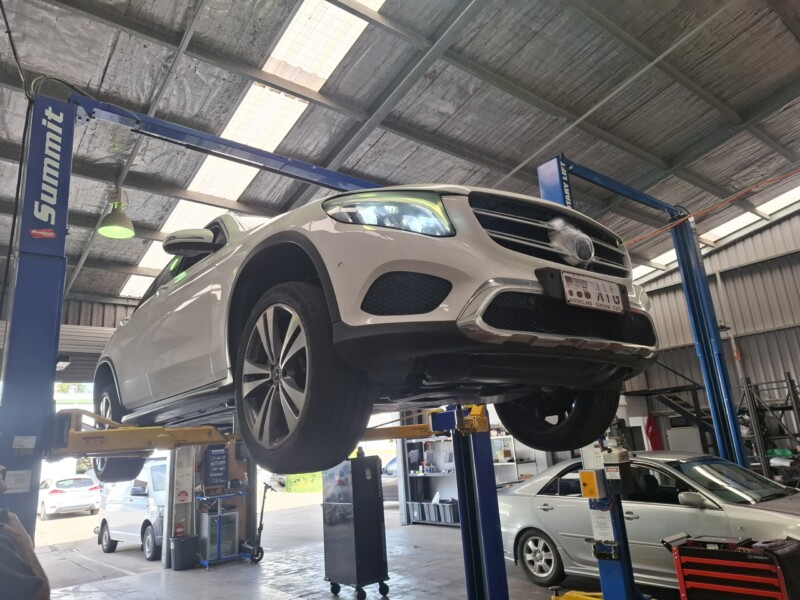
A thorough vehicle inspection should not be limited to what can be seen when the bonnet is opened.
Looking underneath the vehicle can reveal important information about its condition.
This may include signs of:
- fluid leaks
- damaged components
- loose items
- worn suspension or steering components
- exhaust issues
- damage underneath the vehicle
At AutoSavvy Mechanical, we believe a vehicle inspection should involve taking the time to properly look at the car.
Sometimes the early signs of a developing problem are underneath the vehicle, where the owner may never see them.
Finding a small issue early can sometimes help prevent it from becoming a much larger and more expensive problem later.
A Safety Certificate Is Not the Same as a Comprehensive Mechanical Inspection
This is something many vehicle owners may not realise.
A safety certificate focuses on specific minimum safety requirements. It is not designed to be a comprehensive assessment of every aspect of a vehicle’s mechanical condition or to predict the remaining life of every component.
For a long family holiday, a more thorough mechanical check can provide a better opportunity to identify issues that may affect the reliability of the vehicle during the journey.
Give Yourself Time Before You Leave
One of the best things you can do is avoid leaving your vehicle check until the day before the trip.
If a problem is found, you may need time to arrange repairs or obtain replacement parts.
Queensland transport advice recommends checking your vehicle before a long trip and allowing time for any defects to be repaired.
The last thing anyone wants is to discover a problem at the start of a holiday when the car is already packed and the family is ready to leave.
Your Family Holiday Should Start With Peace of Mind
No one can guarantee that a vehicle will never develop a problem.
But regular maintenance and a proper pre-trip inspection can help identify many issues before they have the opportunity to interrupt your journey.
Before you load the family into the car and head off on your next holiday, take a moment to think about the journey ahead.
Is your vehicle ready for the distance?
At AutoSavvy Mechanical, we believe in taking the time to properly inspect a vehicle — not just carrying out a quick service and hoping everything else is fine.
We look for the condition of important components both above and below the vehicle, helping to identify small concerns before they potentially become larger and more expensive problems.
If you’re planning a family holiday or a long road trip, consider having your vehicle checked before you leave.
After all, your holiday should be about making memories.
Not waiting beside the road for a tow truck.
Planning a Holiday Road Trip?
Before you leave Noosa or Noosaville, talk to the team at AutoSavvy Mechanical about servicing and inspecting your family vehicle.
A little preparation before you leave can provide valuable peace of mind for the road ahead.
by Jeremy Bycroft
Share
Share
Leave A Comment
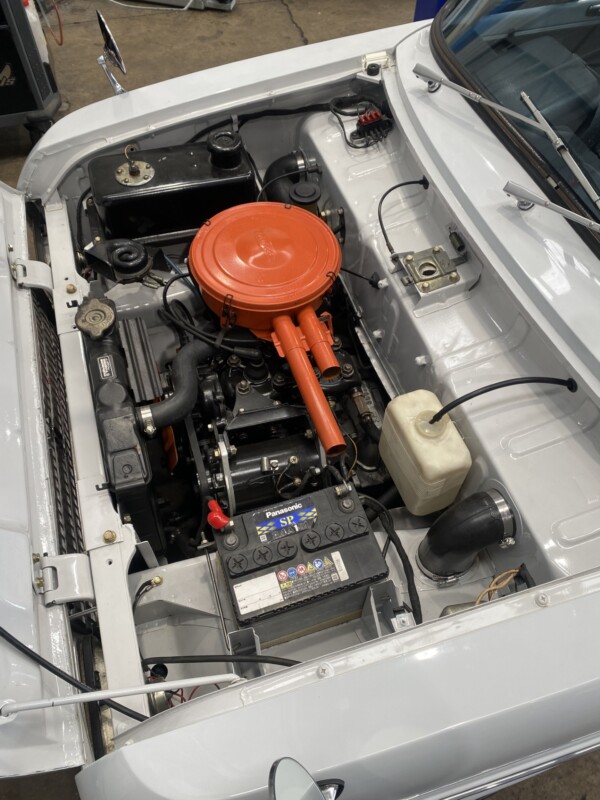
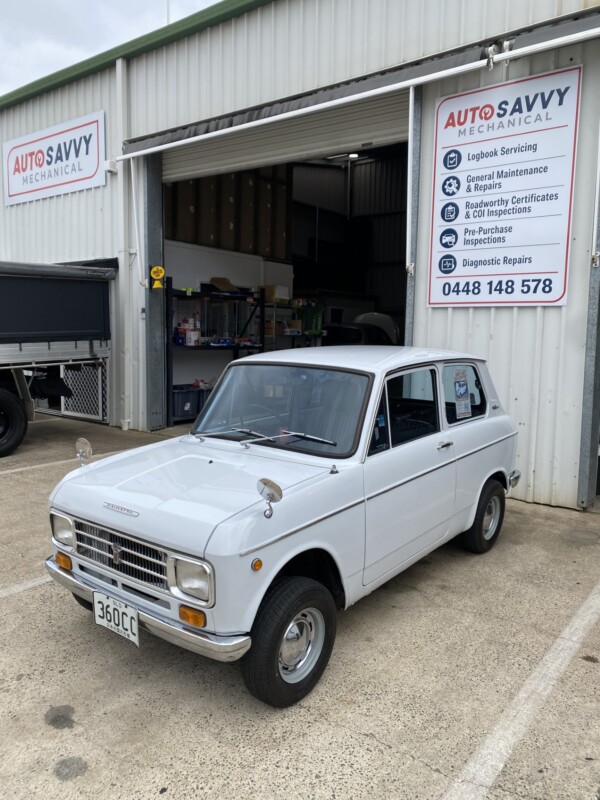
Take a step back in time with this rare 1960s Daihatsu Fellow. With its tiny 356cc two-stroke engine, four-speed manual gearbox and rear-wheel-drive layout, this remarkable little car is a wonderful example of simple engineering, careful ownership and the longevity of a well-maintained classic.
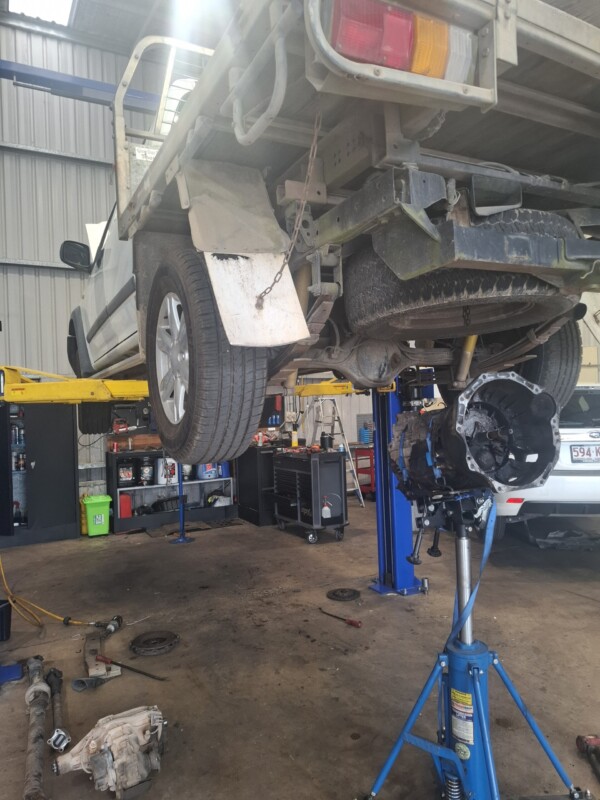
A 2010 Isuzu D-Max arrived at Autosavvy Mechanical with a failed clutch. After battling seized bolts and a bent pin, we removed the clutch, machined the flywheel and prepared the vehicle for its new clutch assembly.
An AutoSavvy service is more than an oil and filter change. Find out how we inspect, report and prioritise the condition of your vehicle to help keep it safe and reliable.
A car that is shaking or vibrating could have a problem with its tyres, brakes, steering, suspension, driveline or engine. Learn the common causes and when to get your vehicle checked.