
A vibration through the steering wheel, a shake through the seat or floor, or a car that suddenly feels different on the road can be worrying.
Sometimes the cause is relatively simple. Other times, a vibration can be an early warning that something in the tyres, brakes, steering, suspension, driveline or engine needs attention.
The important question is:
When does the vibration happen?
Does your car shake or vibrate:
- At a particular speed?
- Only when braking?
- Through the steering wheel?
- Through the seat or floor?
- When accelerating?
- While the car is stationary and idling?
These details can provide valuable clues.
At AutoSavvy Mechanical in Noosaville, diagnosing a vehicle vibration is about identifying where it is coming from and what is causing it, rather than simply replacing parts and hoping the problem disappears.
A vibration is a symptom, not a diagnosis
One of the reasons car vibrations can be frustrating is that similar symptoms can have several different causes.
For example, a vibration through the steering wheel might be related to a wheel or tyre problem, but it could also involve brake components or worn steering and suspension parts.
A vibration felt through the seat or floor may point to a different area of the vehicle.
That is why the circumstances surrounding the problem matter.
The more accurately you can describe the vibration, the easier it can be to begin narrowing down the possible causes.
1. Tyres and wheels can cause vibrations
Tyres and wheels are among the first areas worth considering when a vehicle develops a vibration.
Possible causes can include:
- Uneven tyre wear
- Tyre damage
- A damaged wheel
- Incorrect tyre pressures
- A tyre with an internal fault
- Mud or debris affecting the wheel
Sometimes a vibration becomes noticeable only at certain road speeds.
If a tyre or wheel problem is suspected, the condition of the tyres should be checked carefully rather than assuming the problem is minor.
Tyres are the only part of your vehicle in direct contact with the road, so their condition can have a significant effect on ride, handling and safety.
2. Does your car shake when you apply the brakes?
A vibration that occurs mainly during braking is an important clue.
Possible causes may involve:
- Brake discs
- Brake pads
- Brake calipers
- Other components within the braking system
A vibration during braking should not simply be ignored because the vehicle still stops.
Changes in braking feel can indicate that the braking system needs inspection.
The symptoms may become more noticeable when braking from higher speeds or travelling downhill.
Because brakes are a critical safety system, unusual vibration, pulling or changes in pedal feel are worth having checked.
3. Worn steering and suspension components
Modern steering and suspension systems contain numerous components that allow the wheels to move while helping maintain control and stability.
Over time, these components can wear.
Possible issues may include wear in:
- Suspension bushes
- Control arms
- Ball joints
- Tie-rod ends
- Steering components
- Shock absorbers or struts
Wear does not always produce an obvious knocking noise.
Sometimes the first thing a driver notices is that the vehicle no longer feels as stable or smooth as it once did.
A proper inspection can help identify whether worn steering or suspension components are contributing to the problem.
4. Vibrations during acceleration can point in a different direction
If your vehicle mainly vibrates when accelerating, the investigation may need to look beyond the wheels and tyres.
Depending on the vehicle, possible causes can include:
- Driveline components
- CV joints
- Engine mounts
- Gearbox or transmission mounts
- Driveshaft components
- Other mechanical faults
The exact cause depends on the type of vehicle.
A front-wheel-drive passenger car, rear-wheel-drive ute and four-wheel-drive vehicle may all have different components capable of producing a similar vibration.
That is why replacing parts based purely on guesswork can become expensive.
The cause needs to be identified.
5. Engine problems can sometimes feel like a vibration
Not every vibration comes from underneath the vehicle.
An engine that is not running smoothly can sometimes be felt as a vibration through the car.
Possible causes can include:
- Ignition problems
- Fuel delivery issues
- Air or vacuum leaks
- Engine management faults
- Engine mount problems
If the vibration is most noticeable while the vehicle is stationary and idling, that information can help point the diagnosis in a different direction.
If a warning light is also showing on the dashboard, mention this when booking your vehicle in.
A warning light or fault code can provide useful information, but it does not always identify the complete cause of the problem.
6. When does the vibration happen?
One of the most useful things you can do before visiting the workshop is pay attention to when the problem occurs.
Try to remember:
Does it happen at a certain speed?
A vibration that appears at one speed and changes at another can provide a useful clue.
Does it happen only while braking?
This may direct attention towards the braking system.
Is the vibration felt through the steering wheel?
This can help identify whether the problem is more noticeable through the front of the vehicle.
Is it felt through the seat or floor?
This may point the investigation towards another area of the vehicle.
Does it happen when accelerating?
This can suggest a driveline or load-related issue.
Does it happen while stationary?
This may indicate that the engine or its mounting system should also be considered.
You do not need to diagnose the vehicle yourself.
Simply describing when and how the vibration occurs can be extremely helpful.
Why you should not ignore a new vibration
A vehicle does not suddenly begin shaking or vibrating for no reason.
Sometimes the cause is relatively minor.
But a new vibration can also be the first sign of a developing mechanical problem.
Ignoring it may allow additional components to wear or become damaged.
Identifying a problem early can give you a better understanding of what is happening and allow you to make an informed decision about repairs.
Car shaking or vibrating in Noosaville?
If your vehicle has developed a new vibration, the best approach is not to guess.
At AutoSavvy Mechanical, we can inspect the relevant mechanical systems and investigate the symptoms to help identify the cause.
Depending on the vehicle and the symptoms, the problem may involve:
- Tyres or wheels
- Brakes
- Steering
- Suspension
- Driveline components
- Engine performance
The first step is understanding why the vibration is happening.
AutoSavvy Mechanical provides car servicing, vehicle diagnostics and mechanical repairs for passenger cars, 4WDs, vans and light commercial vehicles in Noosaville and the surrounding Noosa area.
Book your vehicle with AutoSavvy Mechanical
If your car is shaking, vibrating or simply does not feel right, it is worth having the problem checked.
Don’t ignore a change in the way your vehicle feels.
The sooner the cause is identified, the sooner you can make an informed decision about what needs to be repaired.
Call AutoSavvy Mechanical in Noosaville today to book your vehicle in for an inspection or diagnosis.
AutoSavvy Mechanical provides straightforward advice, careful diagnosis and quality mechanical repairs.
Find the cause. Fix the problem. Get back on the road with confidence.
by Jeremy Bycroft
Share
Share
Leave A Comment
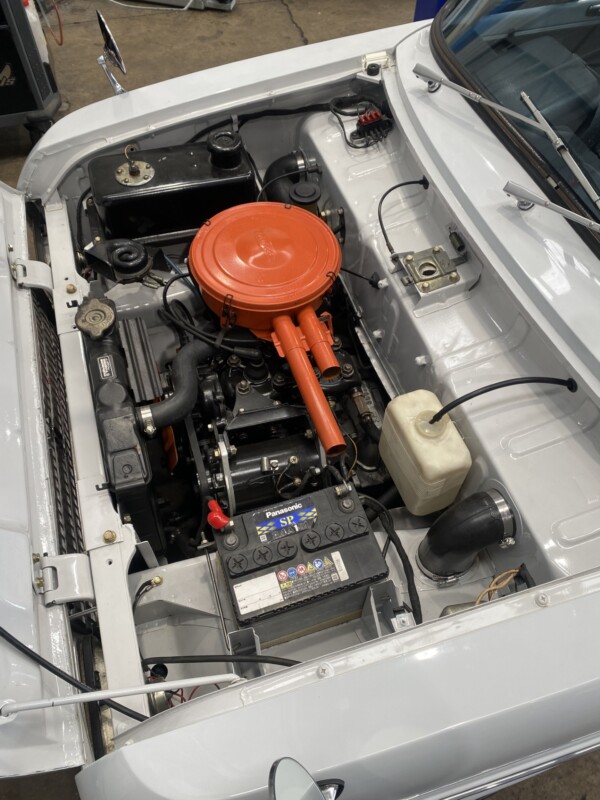
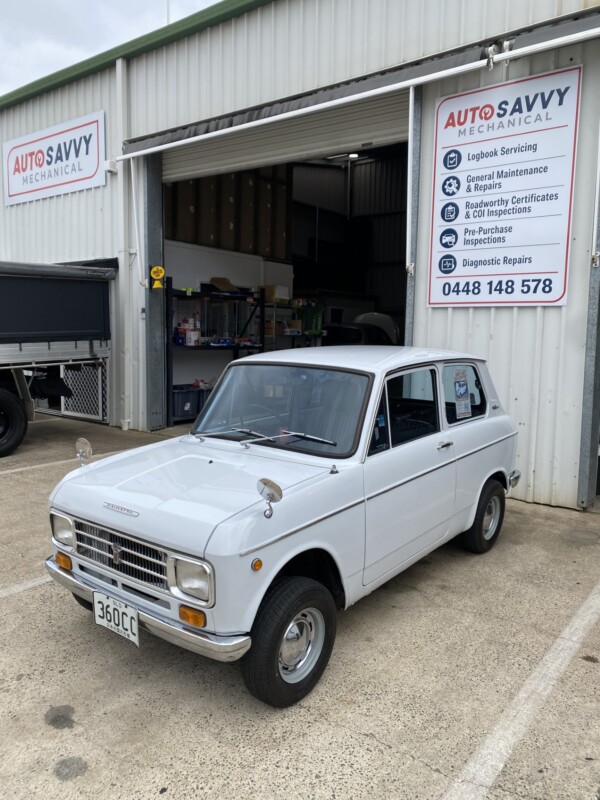
Take a step back in time with this rare 1960s Daihatsu Fellow. With its tiny 356cc two-stroke engine, four-speed manual gearbox and rear-wheel-drive layout, this remarkable little car is a wonderful example of simple engineering, careful ownership and the longevity of a well-maintained classic.
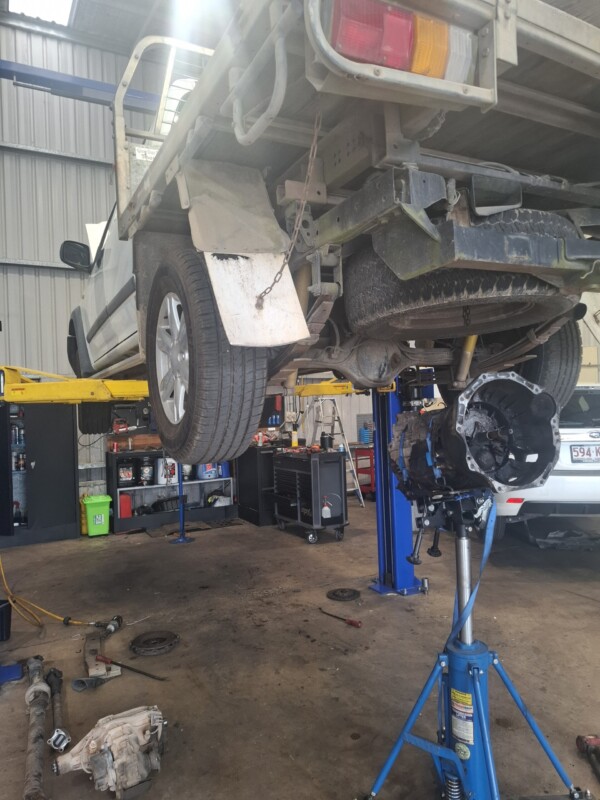
A 2010 Isuzu D-Max arrived at Autosavvy Mechanical with a failed clutch. After battling seized bolts and a bent pin, we removed the clutch, machined the flywheel and prepared the vehicle for its new clutch assembly.
An AutoSavvy service is more than an oil and filter change. Find out how we inspect, report and prioritise the condition of your vehicle to help keep it safe and reliable.
A family road trip should be about making memories — not sitting beside the highway waiting for a tow truck. Before heading away, discover the important checks that can help ensure your family car is ready for the journey.